LIBRARY
Blog Copy
Sorry, no results were found, search again?
December 5, 2021
Why I need to do an IRONMAN
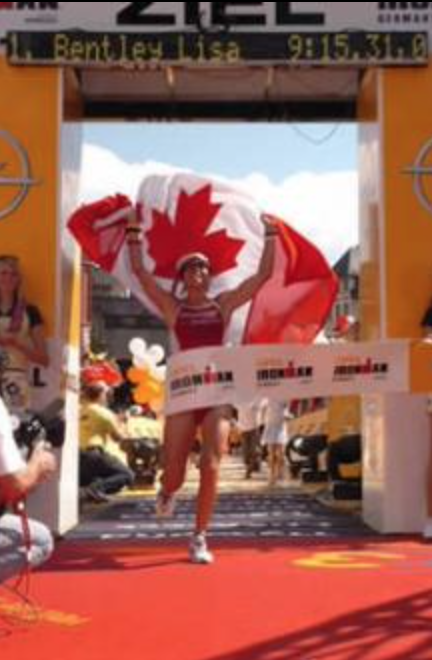
The New Year is a time of new hope and new purpose. The summer race season sits on the horizon, and we dream of riding that sleek new racing machine through various new adventures, while shattering personal bests.
But wait, is that all there is? Ironman is a big goal, a passion and significant time commitment. Training and exercise in general is something you need to do and there are numerous studies that provide unequivocal evidence to the benefits of doing what you do.
So, if you could use a few more talking points to secure your spouse’s ongoing support in 2016; or you want to justify a few triatha-long weekends to your boss and colleagues, here are 8 great reasons that explain why you NEED to do Ironman!
- You Are a Role Model
Kids pay attention what their parents do. Have you ever noticed that active parents tend to raise active children? Kids who see mom and dad donning spandex (*cringe) on a regular basis will learn that getting regular exercise is an important life value. Friends and families are inspired when they see ordinary people set goals resulting in extraordinary achievements. Have you shared your passion for sport with someone you care about? Has someone joined a spin class or done a 10k because you encouraged them? That is powerful role modelling.
- You Will Be Less of a Burden on the Health Care System
Stay healthy, stay out of the hospital, and save tax payers money! Triathlon training prevents excess weight gain and helps maintain weight loss. Studies have shown that regular exercise boosts “afterburn”—that is, the number of calories you burn after exercise. Scientists call this EPOC, which stands for excess post oxygen consumption.
Data from the US department of Health and Human Services:
- More than 2 in 3 adults are considered to be overweight or obese.
- More than 1 in 3 adults are considered to be obese.
- More than 1 in 20 adults are considered to have extreme obesity.
- About one-third of children and adolescents ages 6 to 19 are considered to be overweight or obese.
- More than 1 in 6 children and adolescents ages 6 to 19 are considered to be obese.
(*See my prior point about “role modelling”)
Related to obesity, triathlon training combats health conditions like heart disease, high blood pressure, boosts high-density lipoprotein (HDL), or “good,” cholesterol and decreases unhealthy triglycerides. This one-two punch keeps your blood flowing smoothly, which decreases your risk of cardiovascular diseases. Physical training can help you prevent or manage a wide range of health problems and concerns, including stroke, metabolic syndrome, type 2 diabetes, depression, and certain types of cancer, arthritis and falls. It’s long been known that running increases bone mass, and even helps stem age-related bone loss.
- You Are Increasing Productivity
Feeling uninspired in your cubicle? Simple solution: ride your bike. Research shows that workers who take time for exercise on a regular basis are more productive and have more energy than their more sedentary peers. While busy schedules can make it tough to squeeze in a swim in the middle of the day, some experts believe that midday is the ideal time for a workout due to the body’s circadian rhythms.
In a 2014 study from the University of Georgia, Thirty-six healthy, young adults who reported persistent feelings of fatigue were randomly assigned to a moderate-intensity exercise, low-intensity exercise or no treatment control group. Participants in each condition then visited the “exercise laboratory” on 18 occasions over a 6-week period. Vigor and fatigue mood state scores were obtained. Big surprise: moderate and low intensity exercise groups reported beneficial effects on feelings of energy over their sedentary peers.
Creativity is related to productivity. Post workout is a good time for an office brainstorm session (consider a quick shower first). A heart-pumping run session can boost creativity for up to two hours afterwards. Supercharge post-workout inspiration by exercising outdoors and interacting with nature. Next time you need a burst of creative thinking, hit the trails for a run to refresh the body and the brain at the same time.
- You are Happy
Triathlon training is imperative to your happiness. Working up a sweat can help manage mental stress. Exercise also increases concentrations of norepinephrine, a chemical that can moderate the brain’s response to stress. Slogging through a few miles on the ‘mill is worth the effort! Exercise releases endorphins, which create feelings of happiness and euphoria. Studies have shown that exercise can alleviate symptoms among the clinically depressed. In some cases, exercise can be just as effective as antidepressant pills. And on those days when you have to force yourself out the door, even for 30 minutes, exercise still protects you against anxiety and depression.
- You are Sexy
Do hours in the saddle kill your libido? Maybe temporarily. But, regular physical activity can leave you feeling energized and looking better, which can have a positive effect on your sex life. But there’s more to it than that. Regular physical activity can lead to enhanced arousal for women, according to the University of Washington. And this assessment of 210 studies from 1972 to 2010 determines men who exercise regularly are less likely to have problems with erectile dysfunction than are men who don’t exercise.
Hop on the treadmill to look (and more importantly, feel) like a million bucks. On a very basic level, physical fitness can boost self-esteem and improve positive self-image. Regardless of weight, size, gender, or age, exercise can quickly elevate a person’s perception of his or her attractiveness, that is, self-worth. Exercise to look and feel sexy!
- You Are Pumping Up Your Brain
Your brain is shrinking! Ironman training can help prevent that. Aging and degenerative diseases like Alzheimer’s kill off brain cells. Exercise and a healthy diet can’t “cure” Alzheimer’s, they can help shore up the brain against cognitive decline that begins after age 45. Working out, especially between age 25 and 45, boosts the chemicals in the brain that support and prevent degeneration of the hippocampus, an important part of the brain for memory and learning.
Worried about “losing it” as you get older? Ironman training will help you stay “with it.” A December 2012 study published in Psychonomic Bulletin & Review concluded that the evidence is insurmountable that regular exercise helps defeat age-related mental decline, particularly functions like task switching, selective attention, and working memory.
Amazingly, studies on mice and men have shown that cardiovascular exercise can create new brain cells and improve overall brain performance. Studies suggest that a tough workout increases levels of a brain-derived protein in the body, believed to help with decision making, higher thinking, and learning. Regular physical activity boosts memory and ability to learn new things. Another study showed that running sprints improved vocabulary retention among healthy adults.
- You Will Raise Money for Charity
Ironman is such an epic accomplishment, that it also creates a great platform for inspiring donation to a cause that is important to you.
Here’s a great piece on the IRONMAN Foundation:
“We all do triathlon for different reasons, and it’s important to stop and look at the “why’s.” Maybe you got into the sport to lose weight, or prove something to yourself. Maybe you simply love the activities of swimming, biking and running. For many foundation athletes, fundraising is the logical next step in using their favorite hobby to make a positive change”
There are plenty of bike and run race events out there held to raise money for great causes, such as cancer research, multiple sclerosis research and local organizations. Have a look at what’s going on in your area—most races give options as to how far you want to go so you can pick a distance that fits your training progression. You can use these “training races” to raise money for causes near to your heart.
- You Are Choosing the Best Addiction
Ever heard someone call running their “drug”? It actually is pretty similar. Running causes the same kind of neurochemical adaptations in brain reward pathways that also are shared by addictive drugs, according to a 2007 study in Physiological Behavior.
The brain releases dopamine, the “reward chemical” in response to any form of pleasure, be that exercise, sex, drugs, alcohol, or food. Unfortunately, some people become addicted to dopamine and dependent on the substances that produce it, like drugs or alcohol (and more rarely, food and sex). On the bright side, exercise can help in addiction recovery. Short exercise sessions can also effectively distract drug or alcohol addicts, making them de-prioritize cravings (at least in the short term). Working out when on the wagon has other benefits, too. Alcohol abuse disrupts many body processes, including circadian rhythms. As a result, alcoholics find they can’t fall asleep (or stay asleep) without drinking. Training can help reboot the body clock, helping people hit the hay at the right time.
So get out for a run, satisfy your craving, and feel good about your positive addiction!
Lance Watson, LifeSport head coach, has trained a number of Ironman, Olympic and age-group Champions over the past 30 years. He enjoys coaching athletes of all levels. Contact Lance to tackle your first IRONMAN or to perform at a higher level.
December 5, 2021
Immune health through the winter months
Q: Winter seems to be when I get sick the most, and it derails my training. Any key pointers to staying healthy?
A: There a few aspects to consider when aiming to stay as healthy as possible; focus topics here include: antioxidants, recovery and sleep.
Antioxidants– are stable molecules that can help ‘mop up’ free radicals in our bodies and protects cells from oxidative stress (reactive oxygen species –ROS). When we eat anti-oxidant rich foods, there is reduced risk of fatigue, illness and injury, which directly enhances our training and ultimately our performance.
When high load endurance training occurs, free radicals are produced. We need antioxidants to protect the body’s cells from damage, which can have an effect on immune function. This stress also results in an inflammatory response, which is thought to play a role in cell signaling which ultimately leads to physiological training adaptation (you getting more endurance strength and speed).
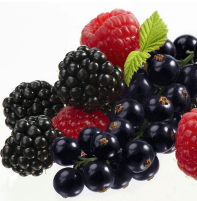
Antioxidants that we ingest come in 2 forms: food based antioxidants such as a range of colourful fruits and vegetables and more potent foods such as blueberries, blackberries, currants, raspberries and tart cherry. The second is a supplement. Studies show conflicting evidence on whether supplements can be beneficial or hinder training adaptation. Some studies suggest that the benefit of whole food antioxidant intake provides a synergistic effect of the multiple nutrients in combination while preventing excessive intakes, which can blunt the exercise induced expression of important proteins after training. High doses of individual vitamins, such as vitamin C & E has been shown to block the beneficial effects of exercise – so the moral of this is MORE IS NOT ALWAYS BETTER.
Recovery
It can take up to 18-20 hours to fully recover from a high volume, training session even when the recommended nutrition strategies for recovery and hydration are followed. If you have a planned day off in your schedule- make sure not to ‘cross train’ at too high intensity and duration… that day is meant to let your body recuperate and recharge to get the most out your subsequent sessions.
Sleep
Inadequate sleep can reduce immune function, which can lead to increased risk of illness. Other aspects include changes in metabolism, appetite regulation, glucose metabolism, inflammation, pain perception, cognition and mood. Other studies indicate that athletes in severe calorie restriction can have poor quality sleep. Research has shown that when we are sleep deprived we are hungrier and have larger appetites; this is due to a decrease in leptin, a hormone that inhibits food intake and an increase in ghrelin, an appetite-stimulating hormone that leads us to crave mostly carbohydrate rich foods.
Tryptophan, one of the least abundant amino acids (building blocks of our body), is one of the precursor components in melatonin production; consuming some tryptophan rich foods like turkey or pumpkin seeds may help improve sleep quality.
Tart cherry juice is an antioxidant that has anti –inflammatory properties and helps increase melatonin levels. Research indicates it may improve sleep time and quality.
Summary tips for optimal immune health
- Colour your plate with a variety of fruit and vegetable colours, especially in high, intense training load periodization
- Consider an antioxidant supplement in addition to your colourful diet with increased immune susceptibility, ie. Travelling overseas for competition
- Vitamin C is water soluble so to better absorb what your body needs, split your 500mg tablets in ½ and take ½ tablet, 2 times/day for 10 days
- Aim for 8hr or more of sleep per night, consider a nap if you haven’t met this
- Avoid TV/screen time in bed
- Limit afternoon caffeine intake
- Consider a turkey meat dinner and or tart cherry juice
December 5, 2021
Simple nutritious ideas for fast fuel
The week starts like this…early morning swim training, rush to the office then head to the track for speed work or a ride…. It is tricky making sure you have enough food for the day, let alone the right kind of high quality fuel for optimal performance. One of the biggest challenges with a busy athlete schedule is having healthy, quick meals and snacks on hand when you need them in a pinch!
Remember: food is fuel! Higher quality fuel is better!
Some tips for meals:
- Where possible make a double recipe of the chili, pasta sauce, casserole or soup on the weekend or less busy week days and freeze this into a portion for the family’s meal + your lunch for the following day
- Keep frozen mixed veggies stocked in your freezer and pre washed leafy greens/salads for days when there is no time for washing and chopping
- Plan ahead on the weekend for which weekdays will be ‘full on’ busy and choose a frozen meal or chop veggies for your slow cooker meal the night before
- Bulk up your mixed green salad by adding some beans, beets, quinoa, lentils, corn and a little feta for a complete meal
- Keep wholegrain wheat tortillas and bread in the freezer
- Hard boil a few eggs and keep on hand in the fridge for salads, snacks
Some snack ideas to keep on hand:
- Dried fruit and mixed nuts
- Oats
- Wholegrain crackers, rice cakes
- Bananas and other fresh fruit
- Oat based bars, nut bars
- Nut butters, hummus
- Milk
- Yogurt
- Tinned tuna
In a pinch and need a meal NOW?
- Microwave rice (quinoa mix optional) + flavored tuna or leftover lean meat/protein + mixed frozen vegetables or mixed greens
- Wheat tortilla + rinsed canned black beans, Cajun spice, colored peppers, leafy greens, grated cheese, heat in microwave and top with cherry tomatoes, yogurt and salsa
- Baked beans on toasts with tomatoes and cheese
Quick Snack/Meal Idea
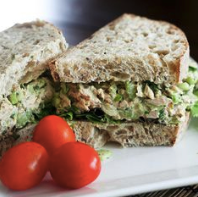
Tuna mix for tuna melts, tuna sandwich or cracker spread
(Can be prepared ahead of time and kept in fridge)
Ingredients
- drained 185g tuna in water
- 1-2 tsp light mayo
- 1 Tbsp. plain yogurt (low fat optional)
- ½ small onion, finely chopped
- 2 small pickles, finely chopped (optional)
Method
- Mix above ingredients well
- Place on wholegrain bread slices and top with small amount of grated cheese for the melt and bake in oven at 180 until golden or in toaster oven and top with fresh tomato
- Spread on bread or wholegrain crackers and have with few veggie sticks or tomato and spinach for a tasty and colorful sandwich
LifeSport Nutrition coach Celine Evans is a qualified sports dietitian. Celine has worked with high performance teams in New Zealand including Rugby, marathoners and endurance cyclists. She has 11 years’ experience in sports nutrition and her grad diploma in Sports Nutrition from the. Contact Coach Celine to share your goals, race faster, or master the Ironman distance.