LIBRARY
Blog Copy
Sorry, no results were found, search again?
December 6, 2021
Is there an optimal off season weight gain?
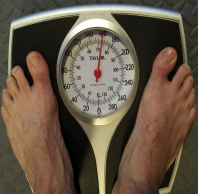
As we head into the holidays and the end of the racing season this is very common question. It is also somewhat misleading, as not every athlete gains weight, or needs to gain weight. It is a question of lifestyle preferences and sport goals. I’m a firm believer that every athlete is unique and each season plan has to be suited to their situation. This is a question from a relatively new athlete heading into his second year of racing triathlons. He is in his mid 40’s and currently weighs 155lbs with 17% body fat. He has targeted Olympic distance races with a short term goal of finishing top 10 in his age group at local races and a mid-term goal of qualifying for the National Championships. This particular athlete is also a married father of two children. He works 50-60 hours a week and is under a lot of stress. With so many factors involved in ideal athlete weight there is no magic equation that is going to work for all athletes and this is what we have worked out for him.
Break down his situation:
- What is the goal for the next season
- What is the current baseline weight and body composition
- What is the current “lifestyle” of the athlete
- Plan of attack
Athlete:
- Top 10 in AG in local races (specific and competitive goals)
- 155lbs/17%
- Very busy, highly stressed and eats a lot of processed sugar
- Our goal is to not have any weight gain. We are looking to reduce his body fat by 4% (6lbs) and replace that fat loss with muscle to support next season’s training.
Strategy:
- Build strength training into schedule.
- Review snacks and nutrition for a busy athlete: choosing healthy, nutritious option such as fruits instead of processed sugar, and nutrient dense foods to support muscle mass. Portion awareness at holidays meals.
- Focus on quality sleep to provide a cushion for stress.
My athlete knew this was going to be challenge going into the holidays. We sat down together and built a realistic game plan. I stressed that the strategy must fit into his life and could not be too all or nothing or he would quickly fall off the wagon and go back to his old habits. The off-season should be embraced as a restful and rejuvenating time, and can also be a time to lay a strong foundation for a very successful racing season.
“There are no excuses, only choices.”
LifeSport coach Chris Thomas is a USAT certified coach who is currently ranked one of the top amateur triathletes in the world. Chris is certified to work with both youth and seniors. Contact Chris to share your goals, race faster, or master the Ironman distance.
December 5, 2021
How to choose an online coach
Over the past 15 years there has been an incredible growth in the number of coaching choices available to athletes, with the development of the internet and technologies that bring people closer together. Coupled with the growth of uploadable technologies including powermeters, heart rate monitors and GPS; communication tools like Skype and Face time, and website to upload and analyze video biomechanics such as Upmygame.com or Coach’s Eye, the ability to coach athletes effectively at a distance has never been as effective as now, and myself and many of my coaching peers are coaching world class athletes across the globe.
Historically, athletes were forced to assess what they could find for professional advice in their home town. Athletes read what they could, and perhaps blended a little bit of advice from the local swim, bike, and run coaches. In some cases there were access to qualified coaches, and at other times serious athletes were forced to relocate. The internet now provides a number of excellent coaching choices, regardless of whether you live in Alaska or Alabama. With greater choice and visibility of the coaching industry in general, many age group athletes, from beginner to advanced, are starting to realize that really good coaching is not just for professional athletes. As there are many options out there, finding the right coach for your goals and budget means having a game plan when you start your research.
One common concern about online coaching is, “if your coach can’t see you regularly, how do they know how you are doing?” Quite frankly, if you have access to a great coach in your local community that can work hands on with you, personalize your training, and doesn’t cost you an arm and a leg, then that is a fantastic solution! If this isn’t the case, there are some very good options an experienced online coach can provide. A good online coach will integrate what resources you do have in your community and integrate the “hands-on” coaching into your overall program, without letting you get pulled away from your developmental needs and keying up for your primary event.
Skype, FaceTime (online live video communication tools) and Video analysis is another great way to bridge the gap. I am sure many of you have received video clips of family events or other activities via email. Why not upload a video and email your coach your 400m swim time trial, or put it on YouTube? With Skype a coach can demonstrate, or sit in one a key indoor session with the athlete. By filming different angles, the coach is able to freeze frame and gives written and verbal feedback, along with video captures, to point out areas for improvement. This feedback can also door training session, or have a good old fashioned face to face meeting with you. After speaking with an athlete on Skype, I often feel I have had a visit with them and could read their body language.
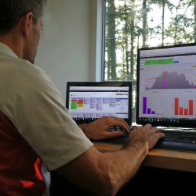
Online training calendars such as TrainingPeaks make a great interface for posting an athlete’s personal calendar, and an interface where they can upload their training technologies including bicycle power meters, power, heart rate monitors and GPS for pace, elevation changes and distance. It is useful to be able to view and athlete’s planned session, feedback, and uploaded data and graphs all on one screen. Current software is quite user friendly. Once you embrace the technology, it is quite fun and you will learn a lot about yourself and your body.
The service of coaching is another benefit. It is convenient and reassuring to have someone qualified to take the time to plan it all out for you, as periodizing three sports composed of various energy systems, skills, and addressing individual strengths and weaknesses is a complex puzzle. If you are busy, it is nice to be able to just focus on your sessions, relay your feedback, and see the progress. Training for Ironman may entail 10-20 hour training weeks, so it is reassuring to know that when you are out on your 5-6 hour ride, that you are actually doing the right thing! A good program will take into account your life schedule and life stresses, such as irregular work hours, family trips, timeline to key events, and availability of any local community practices that would work with your schedule.
Create a game plan for choosing the best online coach for you.
A good coach is your teammate and supporter, technician and trainer, mentor, and friend. One role of the modern coach is to help manage your support network, advise you when to get massage or consult a nutritionist, get your blood checked, plan an altitude camp, integrate the ideas of you local masters swim coach, tell you when to take a break, make sure your specific physiological needs are being met, and help you find out what your true potential is!
Create a list of questions when you interview your prospective coach. Here are some points to consider, depending on what is important to you:
- Do you connect? Can the coach communicate well? These are key for delivering ideas and support from a distance. If you can’t relate to your coach, it won’t work. Having a sense of connection build trust, and makes it more fun.
- Find out how often you will email, talk on the phone and make modifications to your program according to your needs.
- Track record of the coach: how long have they coached, and to what level of success?
- Has the coach worked with athletes in your age bracket or with similar goals? How many? Think about what you want to get out of the coach-athlete experience.
- Ask how detail oriented your program will be.
- University Education of the coach: A degree in sport science or related field is a big benefit to understanding the core elements of sport and human performance.
- Coaching Certification: are they NCCP, USAT certified or similar? This will be one indicator of experience.
- What additional certifications does the coach have: nutrition, strength and conditioning, psychology, etc.
- Where are they located? More that 3-4 time zones can make communication more challenging. A short plane ride or driving distance means more opportunity to meet for camps and races.
- Experience coaching athletes live and in person – this where a coach acquires their technical coaching skills, and understanding of the finer points of triathlon biomechanics and physical adaptation to a training program.
- Experience level delivering online coaching, which is a learned skill, separate from time on deck or at the track.
- Does your coach have much triathlon racing experience, and do they train themselves? Experience competing and training, specifically in triathlon, affects the coach’s innate sense or understanding of what the athlete goes through.
- Ask what the coach’s athlete roster size is. A quality coach may charge more, but work with a smaller athlete base number, ensuring more attention to the details of your needs. As with most things in life, you tend to get what you pay for. Coaching rates vary from $29/month to $2500/month.
- Do reference checks: talk to other athletes the coach has worked with about the above points.
Lance Watson, LifeSport head coach, has trained a number of Ironman, Olympic and age-group Champions over the past 30 years. He enjoys coaching athletes of all levels. Contact Lance to tackle your first IRONMAN or to perform at a higher level.
December 5, 2021
Simple Ironman 70.3 nutrition strategies
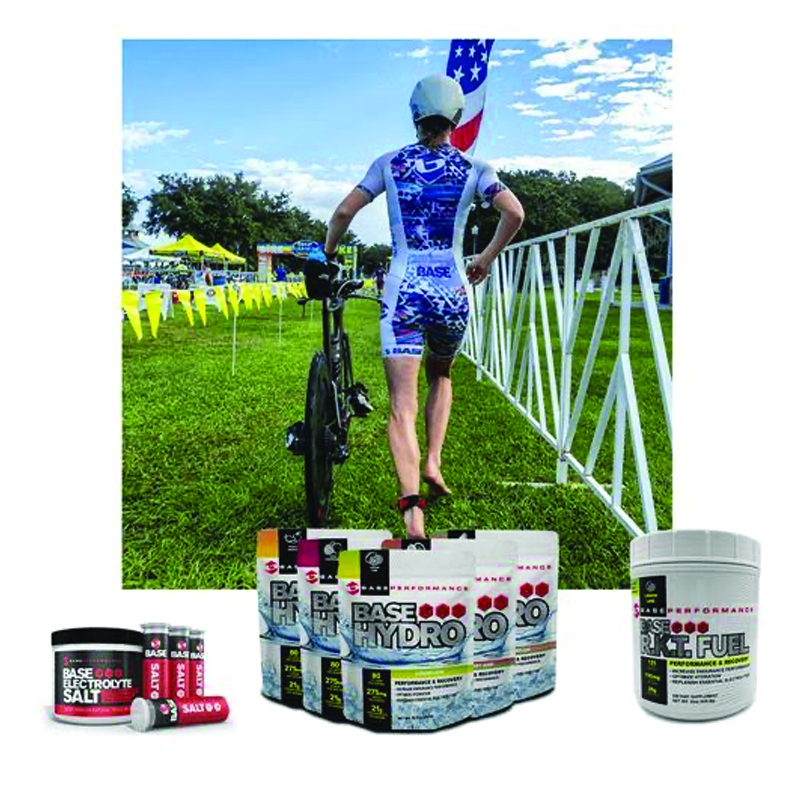
In shorter distance triathlons you can typically get away with making some nutrition mistakes, but during a 70.3 or another 4 – 7 hour event, nutrition is an incredibly important factor.
The aim for a bike leg of an Ironman 70.3 is to propel you strongly to the start of the run. The aim of the run is have enough fuel left in your body to show off your fitness. If you have practiced sound nutrition over the 56 miles of riding, you will be able to begin the run in great condition and complete the 13.1 miles with minimal slowing down.
The sport nutrition products supplied on the course do not necessarily guide your choice of calories. You can train with those products in the months before the race to test them. Most athletes work with the product that suits their stomach and do not cause GI distress.
Note that calorie absorption and heart rate are inversely related. As you start to exercise blood is diverted from your stomach to your working muscles and skin to sweat and help cool you. As your heart rate rises, you are less able to digest the calories you ingest. Therefore your race day nutrition plan is intimately bound to your racing heart rate. Make sure you show up to the race knowing your race intensity zones and having practiced eating at those heart rates! The most common mistake is to consume too much at a high heart rate. If your heart rate is up, adjust your calorie intake downward. Also, do what you’ve been doing in training – don’t try anything new on race day!
When preparing your race day plan you should take the following guidelines into account:
Pre Race
- Breakfast on race day should be similar to training days. Stick primarily with carbohydrates, a little protein, and minimal fats. Toast and jam, a banana, oatmeal, PowerBar, and Carbohydrate electrolyte drinks are popular choices. Some will have egg or peanut butter for protein. Some athletes prefer a shake. If you have a coffee on training days, have a coffee on race day.
- Finish breakfast 2-3hrs before race start to give yourself time to digest.
- In the 2hrs before the race, sip water and/or a Carbohydrate electrolyte drink.
- Some athletes will take a PowerGel prior to race start.
Bike
- Starting the bike – For the first 5-10 minutes of the bike, drink water and take in minimal calories, mainly in the form of a sports drink. Let your body adjust to cycling, and let your heart rate drop down. Then start eating when you have settled into a good cycling rhythm. Follow the plan you’ve trained with all season, do nothing new on race day.
- From 10 minutes after the bike start to 10 minutes prior to the bike finish eat 200-350 carbohydrate calories per hour, regardless of source. Larger or muscular athletes tend to need more calories. For instance, PowerGel = 110 cal; PowerBar = 200 cal; Carbohydrate electrolyte drink = 100 cal. Bigger athletes need more calories. Some athletes can digest more than others. Test it in training.
- Drink 1 to 1.5 litres (33-50oz) of fluid per hour (water and Carbohydrate electrolyte drink combined). This is approximately 2 small bottles to 2 large bottles per hour, depending on climate and your personal perspiration rate. A training tip is to weigh yourself pre- and post ride. Every 1 pound lost is 1 small water bottle of fluid deficit, and will negatively impact your half marathon performance.
- Set your watch alarm to go every 15 minutes, to remind you to eat and drink regularly.
- A simple plan would be to eat a gel every 30 min (~200 cal per hour) and a bottle of sports drink per hour (100 cal per hour). Sip water throughout with the gel. You will need to take up to 10oz of water per gel.
- The products you use should also provide the following minerals/electrolytes, which will help you absorb your drink into your blood stream, and avoid cramping. Recommended sodium intake is 500-750mg/litre (33oz) – for example, one PowerGel has 200mg Sodium, 20mg Potassium, and 90mg Chloride. 1 litre (33oz) of Carbohydrate electrolyte drink has approximately 200-400mg of sodium.
- If the products you choose or those provided on the course do not supply the recommended amount of electrolyte you should consider using additional supplementation. As with all other products, you should practice their use in training prior to the race.
- 10 minutes prior to bike finish you should reduce your calorie intake and only take in sports drink or water. This allows your stomach to empty while still allowing your gut to absorb the food and fluid ingested earlier on the bike. You will be able to start the run in a relatively comfortable state. Once you start the run you can start consuming calories again according you your run nutrition plan.
Run
- Wait 5-10 minutes into the run until your heart rate levels off before starting your nutrition/hydration regime.
- Often athletes’ heart rates are higher on the run than the bike. If this if the case, calorie consumption should be 15-30% lower per hour than on the bike.
- Many athletes find liquid calories easier to digest on the run, in the form of Carbohydrate electrolyte drink or cola. It is also common to eat PowerGels on the run.
- Follow a similar hydration protocol to the bike. Make sure that you get as much from the cup to your mouth as possible. Fold the paper cups to help control spilling.
- If you are running 7:30/mile, you will hit approximately 4 aid stations per hour, if they are spaced at 1 per mile. A goal is to drink 2 paper cups of liquid per aid station.
- If you are still running well, calories and drink taken with 1 mile to go will not impact your race, so you may skip the last aid station, with the exception of pouring some water on your head, or rinsing your mouth.
Nutrition for 70.3 deserves as much thought and planning as the rest of your ‘physical’ training. You should develop a plan and practice it repeatedly in training to ensure that you finish the bike leg with energy left and set yourself up for a great run. Your nutrition plan is unique to you. It assumes that you have determined your own calorie requirements, and you know your digestive capabilities.
Lance Watson, LifeSport head coach, has trained a number of Ironman, Olympic and age-group Champions over the past 30 years. He enjoys coaching athletes of all levels.
Contact Lance to tackle your first IRONMAN or to perform at a higher level.