LIBRARY
Blog Copy
Sorry, no results were found, search again?
December 6, 2021
Specifically measuring bike training intensity
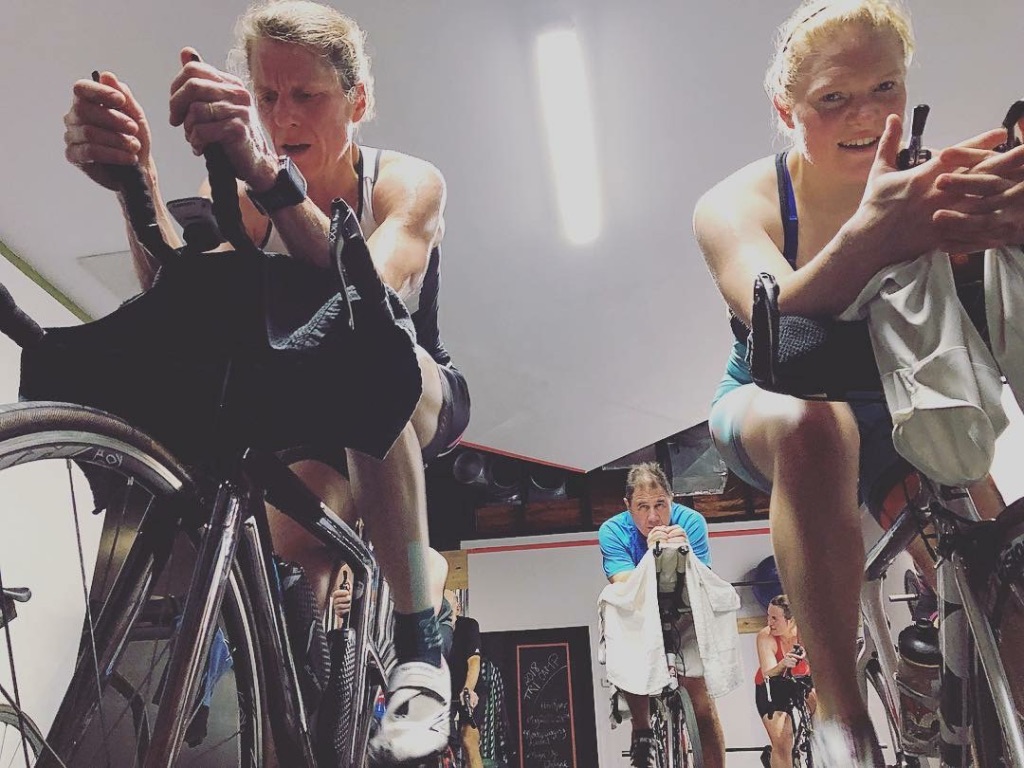
Your training is an ever-evolving process. The best-laid plans need to be constantly scrutinized and adjusted to make sure you are getting the most out of each and every day. Key training components to be considered in a properly periodized training program are volume, intensity and frequency, as well as technical skill development. These training components help you develop a program based around your physical capacities, adaptation, and personal needs, and must represent the current physical condition of the athlete. Shaping or modifying the training components gives structure and individuality to your daily workouts. This article will deal with monitoring your training intensity through the use of a powermeter on the bike – a measure of the exact power output or workload transferred from your legs to your bike.
For over 15 years powermeter usage has been common in the cycling community, particularly at the elite level of cycling. Currently you will not find many riders in the Tour de France without one. Over the past number of years, powermeters have made their way on to most bikes of well-known triathletes as well. While some are larger than a traditional cycling computer, powermeters are reasonably light and provide an incredible amount of feedback to the rider. Each brand works slightly differently. Powermeters use monitors and sensors in the bottom bracket, cranks, rear wheel hub, or chain tension to give the rider information about power output (wattage), cadence (rpm), speed (km/hr), distance (miles), heart rate (beats per minute- bpm), and a wealth of other data, all of which is downloadable to your home computer. They may come with their own computer head unit, or pair with your other devices or sport watch.
DIFFERENT MEASURES OF INTENSITY.
Training intensity is the measurement of how fast or at what effort you perform a workout. In very general terms, it is “how hard are you going?” Intensity can be measured several ways. The most basic is “perceived exertion”; that is how hard you think you are going. Scientifically, this method of measurement is fraught with error, and should only be used as a rudimentary way to assess your intensity in a workout. The second way to measure intensity is as a percentage of your best time for a specific interval. For example if your best 20 kilometer bike time trial 30:00 or 40km/hr, then you might do repeats of 5 kilometer intervals holding 95% of your best (which would be 38km/hr). This method of monitoring intensity is used most often, but it is not a 100% accurate way to measure intensity, as wind and terrain can wreak havoc on average speeds. A more reliable method of monitoring training intensity is through heart rate training. You might determine your average heart rate for a 20 kilometer bike time trial, your very best effort for the distance, is 160bpm. You can then try and increase your fitness by doing work at slightly higher or lower heart rates to improve efficiency and performance at your time trial heart rate. Heart monitors are a less expensive training tool than powermeters. Unfortunately though, your heart is a muscle, not a machine, and can be affected by stress, hormones, caffeine, heat and humidity, nutrition, rest and fatigue. Heart rate monitoring is an excellent body education but not always 100% reliable.
Along with heart rate, training intensity can be measured by power (watts) while cycling. This is possible with the use of special powermeters (such as SRM, Quark, PowerTap, Stages, Garmin Vector) for your bicycle, which provide you with a nice picture of your workouts and a measurement of your training intensity. Measuring power in training intensity helps you objectively evaluate your progress. The more accurately you can evaluate your training intensity, the better you can push to your limits for increased adaptation. You should use all available training markers to develop training programs. Poorly defined training programs that use less accurate training markers, lead to overtraining or under training.
SO WHAT DOES THIS MEAN FOR MY TRAINING?
Coaches have long known that you need to train at higher and more intense levels than you expect to race at, and at times much lower levels. The question remains, how do you know you are training at intensities greater or lower than racing? Over the years I have been working together with various sport and exercise physiology specialists on ways to incorporate the latest science into the cycling portion of my programs. Our goal was to improve the quantitative measures of training and to see how this could lead to refined training methodology and improved cycling performance, and to pin-point race wattage output. The use of power in your cycling workouts takes you into this next generation of scientific training.
For instance, you may find that you are out riding hill interval repeats, measuring time, speed and heart rate, and perceived effort. After putting in a great perceived-effort, you note your heart rate is slightly higher, but your times are slower. This commonly leaves the athlete asking questions like “am I over-trained, or fatigued, or past my annual fitness peak?” In this example, if you power measurement indicates you averaged 10 watts output higher than before (perhaps a 2-5% increase), you would take solace in the fact that you had a superior performance despite slower times. You might then attribute the slower times to variables like wind conditions, low tire pressure, wet pavement, etc. This would also explain a higher heart rate: your power output, the quantified amount of work you did, was higher than usual and the resulting heart rate corresponds appropriately.
A powermeter is particularly valuable when you cross-reference it against other measurable variables such as heart rate and cadence. Riding at a set power output, you may note that your heart rate is slight lower at a particular cadence (or gear selection) and on a certain terrain, indicating a more efficient gear choice for your personal physiology. For instance, you may find that when riding on a flat road at 200 watts at 80 rpm you heart rate is 170, and when you ride at 88 rpm (still at 200 watts, in a smaller gear) your heart rate is 167. This difference in heart rate and cardiovascular demand would dramatically affect your performance over a long distance cycling or triathlon event. The same specific indications can be made on hills, down hills, into headwinds, etc. Many newbies to powermeters are shocked at how much they “soft pedal” on the downhill, noting how much their watts drop. Downhill riding is often one of the first areas to improve with a powermeter.
Powermeters are very useful for race indication as well. If you are racing an Ironman you can create a ceiling for wattage output that you will not surpass, assuring you keep the 180 kilometer effort aerobic. This is a fairly surefire way to make sure that you pace yourself evenly through this grueling long distance event, and can help you avoid getting a little too competitive too early in the race. Best Bike Split (bestbikesplit.com) software exists to help specifically target your power throughout your goal race course. To quote their site, “Our math and physics optimization engine takes your power data, course info, and race day conditions to predict your race performance and create the perfect power plan so you can hit your best bike split ever”. This is very intriguing for an athlete seeking a sure fire way of guaranteeing their personal best performance throughout the varying terrain of a long distance race.
The applications of power output with the powermeters helps make this a very versatile tool for cycling. It helps you gather information about the demands of your training, so that you or your coach can better design your training programs. While this is a great training and racing tool for any person, it is an expensive investment. Quality powermeters start at around $800, and can get up to $5000 for research grade units. So evaluate your goals, evaluate your bank account, and decide whether a powermeter is right for you.
LifeSport head coach Lance Watson has coached a number of Ironman, Olympic and age-group Champions over the past 30 years. He enjoys coaching athletes of all levels. Contact Lance to tackle your first triathlon or to perform at a higher level.
December 6, 2021
Increasing your lactate threshold
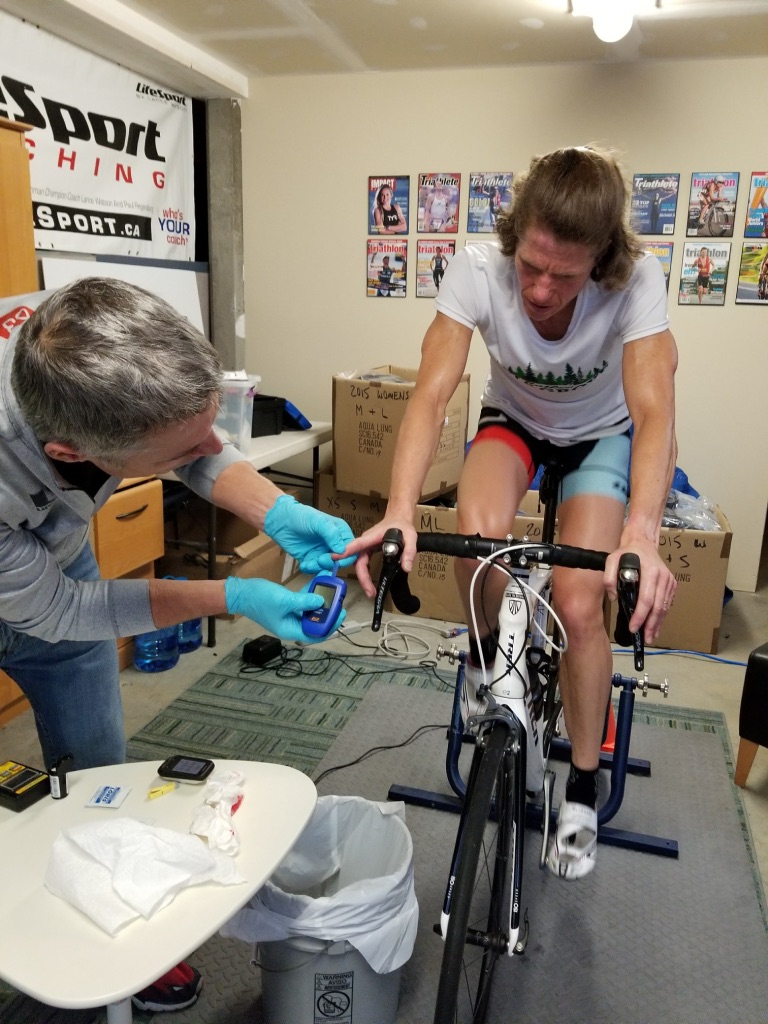
For all sports, whether it is swimming, cycling or running, intervals are one of the best ways to increase overall speed and power. By their nature, intervals are short efforts, done at higher intensity than race pace – at or slightly above lactate threshold. Current thinking has shifted away from only doing intervals in the race Specific preparation phase of competition to incorporating higher intensity regularly into training year round to maintain aerobic capacity while keeping the body and brain sharp.
Since they are high intensity and therefore “hurt”, getting going can be the biggest hurdle. This is where groups are effective. Everyone is there for the same reason – they want to improve and will often push each other to perform their best. Encourage yourself to have a positive attitude and embrace the upcoming workout and focus on the task at hand. Use the warm up to get the brain and body working in synch, knowing that when you begin the first interval, the body takes over and you can run the interval well.
The goal is to complete all intervals in a similar time with best average pacing. Each interval will get more challenging to hold a given pace and heart rate will climb accordingly. An ideal scenario would see the heart in low Zone 4 for interval number 1 and then getting higher and higher for subsequent intervals: the heart rate will be high Zone 4, even in Zone 5 – this will be quite uncomfortable but achievable.
The technology that we have at our disposal is pretty amazing and many devices will give alerts every mile or kilometer. However, relying on the watch to tell that you have reached the end is not as effective as knowing the destination. When doing set distance running intervals, if one doesn’t have access to a track, it is best to go back and forth on a flat road or hard packed dirt trail between two landmarks. Measure the distance accurately with a GPS or bike computer so you know where the start and finish are and be aware of where ¼, ½ and ¾ distances are. Run interval pace times should not change drastically from workout to work out, so keep in mind what you have run before and are aware of what your time should be at the quarter marks. Use these cues to help with pacing.
Beginner and experienced triathletes looking to start or improve their performances are invited to join the LifeSport team. Visit them on the web at www.LifeSportCoaching.com or email LifeSport Coaching at Dan@LifeSportCoaching.com
December 6, 2021
Boost your weakness, now and long term
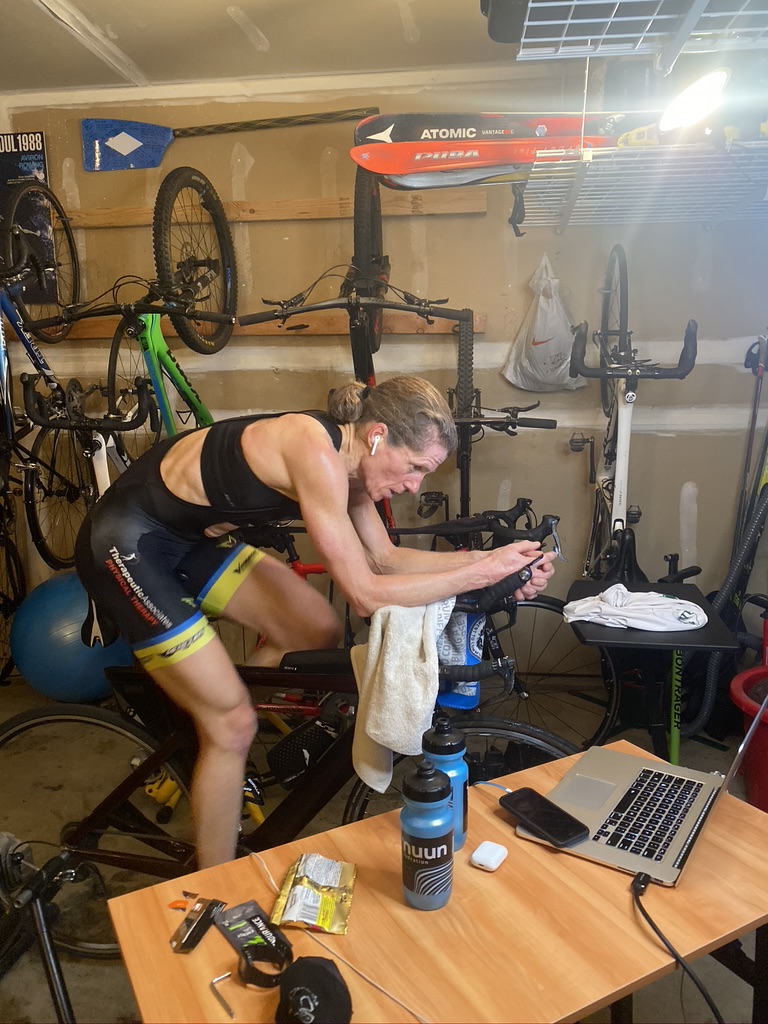
I regularly incorporate single sport focus or emphasis phases in my athlete’s training, to hone an individual event or a specific aspect of that sport. 12-16 week phases have the most impact on your long term development, but you can also increase emphasis in one sport for 10-14 days and get a “boost” in that sport, and push a neglected are to higher fitness.
For a 3 month emphasis, pick a meaningful event to end the phase with, such as a bike race, an open water swim competition, masters swim meet, or a half marathon. Try and plan a couple more “building block” events along the way to work towards the goal event, and to keep you excited. You will learn some tricks of the trade from single sport athletes by participating in individual sport competitions that might not be apparent in triathlon competition.
For a 2 week boost phase, increase frequency, volume or intensity sessions in your area of need. Your training program should be built around the area you are emphasizing, whether it’s your swim, bike, or run. You goal is to hit your “boost” sport fresh, and consider the rest of your activities in the other two sports as fitness maintenance rather than fitness building.
Keys for progressing in your 3 month sport emphasis phase for long term development:
- Pick a meaningful goal event for the end of the focus phase.
- Incorporate 3-4 weeks of base work (i.e. long endurance sessions in heart rate zone 1 and zone 2) in the focus sport. Add one extra base session than you normally would in that sport during regular triathlon training
- Do the first “building block” competition at the end of the 3 week phase
- Move into 4-6 weeks of threshold emphasis (i.e. short-rest intervals, heart rate zone 3 and 4). Still do base once a week. Do one more threshold session per week than you would normally do in your triathlon training for that sport
- Do 1-2 more “building block” races in the threshold emphasis phase.
- Move into 2-3 weeks of speed emphasis (i.e. high speed, long-rest intervals, heart rate zone 4 and zone 5). Reduce base, maintain 60-75% of your threshold work, and do 1 more speed session per week than you would normally do in regular triathlon training
- Taper for 7-10 days and your goal competition.
Keys for progressing in your 10-14 day “Boost Sport” phase to super charge a single sport:
- Increase frequency in the boost sport by 1-2 sessions per week.
- Decrease frequency in the non-boost sports by 1-2 sessions week.
- Assess more specific areas of need in your boost sport- is it run threshold, bike hill climbing strength, open water stamina, etc.
- Build your program around the boost sport to ensure you are better prepared for your key sessions. Make sure and have rest days between your higher intensity boost sport sessions.
Other thoughts to help you along the way:
- Seek someone with technical expertise in the focus sport during this phase, and put more energy into improving your form and biomechanics.
- Think like an elite single sport athlete. “I am a distance runner…”
- Learn everything you can about your focus sport during the phase while you are immersed in it.
- Enjoy meeting new people at different sporting events!
Finally, when you are in race season, stay true to your planned-out, balanced triathlon training plan, but still be in tune with how you are doing in all three individual events.
If you have been struggling in an area for a couple years, incorporate a three month emphasis phase into your annual plan. If you work with your coach to carefully dissect the individual components of your training, come race day you should be ready to put it all together for a great result.
LifeSport head coach Lance Watson has coached a number of Ironman, Olympic and age-group Champions over the past 30 years. He enjoys coaching athletes of all levels. Contact Lance to tackle your first triathlon or to perform at a higher level.