LIBRARY
Blog Copy
Sorry, no results were found, search again?
November 16, 2021
Do you get enough sleep?

We all know we feel best after a good night’s sleep. Have you noticed when you come home from a trip or finish a big day of training, there is nothing like your own bed? For years I have been preaching to my athletes to get a good bed as an essential piece of ‘training’ equipment… and use it properly! Sleep is one of the most important things that endurance athletes can do to improve on a daily basis, yet it is often the time we tend to steal from the most.
Triathletes tend to divide their training time between swim, bike, run and even strength workouts efficiently but often sleep is left as a lower priority.
Why is this?
The saying “I’ll sleep when I’m dead” is not a good motto…
Here’s why you need your sleep:
1: Sleep deprivation can slow glucose metabolism – Eve Van Cauter, Ph.D., from the University of Chicago Medical School, studied the effects of three different durations of sleep in 11 men ages 18 to 27. For the first three nights of the study, the men slept eight hours per night; for the next six nights, they slept four hours per night; for the last seven nights, they slept 12 hours per night. Results showed that after four hours of sleep per night (the sleep deprivation period), they metabolized glucose least efficiently
2: Increased cortisol levels come from sleep deprivation – Levels of cortisol (a stress hormone) were also higher during sleep deprivation periods, which has been linked to memory impairment, age-related insulin resistance, and impaired recovery in athletes.
3: Sleep deprivation can cause decreased activity of human growth hormone. This is a critical for muscle tissue repair after exercise. I.e. when your muscles repair, you get stronger, and you race faster!
4: Motor skills deteriorate and reaction time increases. This is important if you don’t like crashing your bike. Hans Van Dongen, Ph.D., and David Dinges, Ph.D., of the University of Pennsylvania, described studies assessing psychomotor vigilance performance after sleep deprivation. This skill involves reaction time and sustained attention. It is needed for not only sports performance but also everyday activities such as driving. It is highly sensitive to sleep loss, often experienced by athletes on road trips, particularly after they cross multiple time zones.
Do you sleep enough?
William Dement, M.D., Ph.D., a professor of psychiatry and sleep researcher at Stanford University, states that chronic sleep restriction which is widespread amongst North American adults, has serious adverse consequences for physical and mental performance. More importantly he states that sleep loss is cumulative. He calls this “sleep debt.” He explains that the brain records as a debt every hour of sleep that is less than a person’s nightly requirement. A large sleep debt can be reduced only by extra sleep. In a landmark 1994 National Institute of Mental Health study, subjects stayed in bed in the dark 14 hours every night for 28 consecutive nights. At first, they slept as long as 12 hours a night, suggesting they entered the study with sizeable sleep debts, Dement said. By the fourth week, their sleep stabilized at a nightly average of eight hours and 15 minutes – meaning that most adults need this amount of sleep each night.
Go to bed. Get better results.
Glucose and glycogen (stored glucose) are the main sources of energy for athletes. Being able to store glucose in muscle and the liver is particularly important for endurance athletes. Those who are sleep deprived may experience slower storage of glycogen, which prevents storage of the fuel an athlete needs for endurance events beyond 90 minutes. Elevated levels of cortisol may interfere with tissue repair and growth. Over time, this could prevent an athlete from responding to heavy training and lead to overtraining and injury.
So, if you are up late reading now, then get to bed! If your bed is keeping you up at night, then get a new one!
_________________________________________________________________________________________________________________________________________________________________________________________
Lance Watson, LifeSport head coach, has trained a number of Ironman, Olympic and age-group Champions over the past 30 years. He enjoys coaching athletes of all levels.
November 16, 2021
What’s the best way to communicate with my coach?
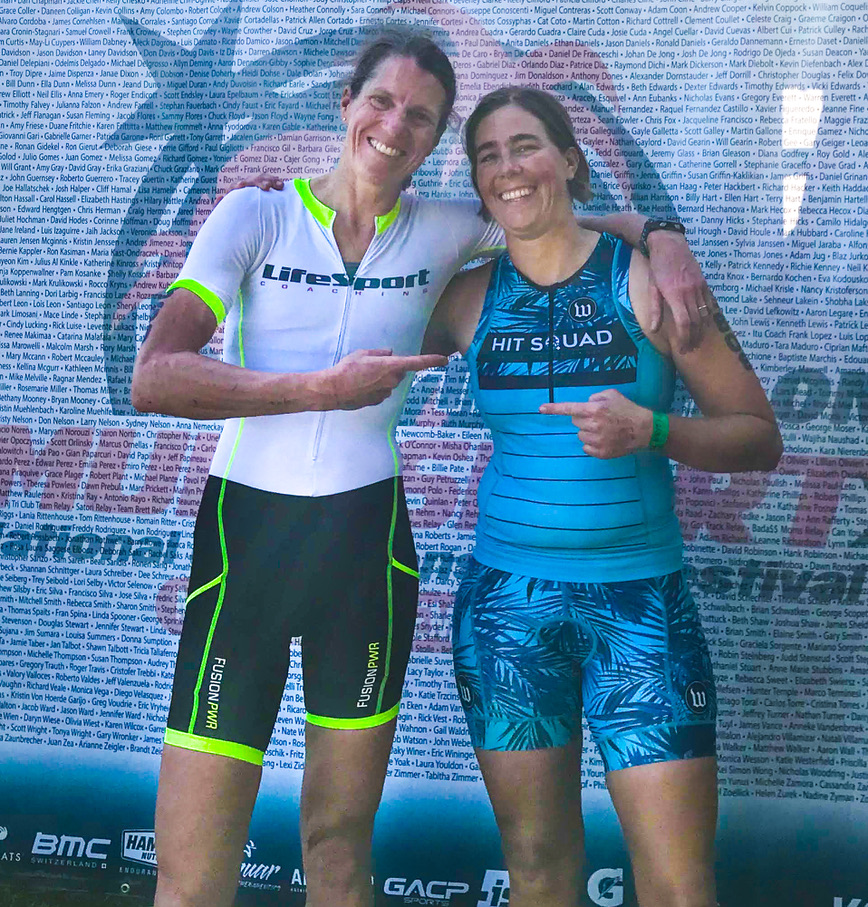
The smooth and current flow of communication between the athlete and the coach is the foundation of a good relationship. The coach delivers a program based on the ongoing feedback from the athlete. Without this feedback, which includes data from uploaded workouts along with any comments, is invaluable for getting the most out of the partnership. And it is a partnership; the athlete needs to know the how, what and why and the coach needs to know everything that affects it.
In 2022, coaches and athletes have access to more methods of communication than ever before. It is key when having the initial conversations between coach and athlete that both are on the same page. Here are some of my thoughts and these can obviously be adjusted for individual situations.
TrainingPeaks can be viewed as the core tool for sharing information. This is where workouts are delivered and the results uploaded. To get the most out of TrainingPeaks the athlete should include relevant comments as to how the workout went, how they felt and factors that affected the session. Since it is a record of what was done, this is not the ideal place to ask for information unrelated to the workout. As a coach I will have athletes include their work schedule, especially if they have inconsistent hours and days.
Email is a great tool for direct questions regarding upcoming workouts and when planning weeks. It is also more favourable for the season’s race plans and any travel that will affect upcoming training. One of the reasons I prefer email for this is that it is much easier to search for these items. Emails is also good for race plans and race reports as well as any information related to training that can’t be answered in a short sentence.
Text, Messenger and WhatsApp are good for quick questions about upcoming workouts and if things need immediate attention.
And finally the phone or video apps are perfect for the monthly catch up calls or anytime you have a question that requires a conversation. Great for planning how to approach an upcoming race or training camp.
As with all communication it is important that both the athlete and the coach are on the same page and remain in regular contact. That is how everyone improves.
Based in Victoria, BC, LifeSport Senior Coach Dan Smith has been involved with multisport for over fifteen years. He also regularly races and frequently gets on the top of his podium in his age group at local and World Championship events.
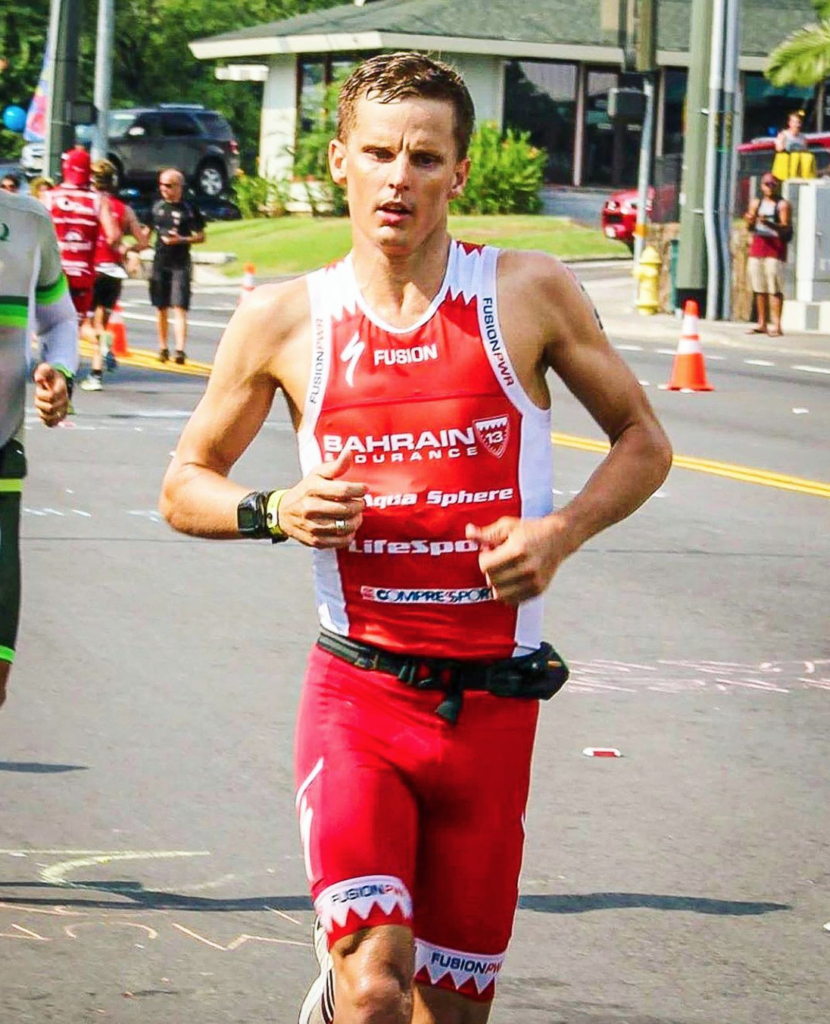
The exhilaration of race day is over, adrenaline has subsided, and the fatigue has begun to settle in.
What Now?
You’ve just gone through The entire process of endurance racing; and while it is rewarding and brings on an enormous release of endorphins and ‘feel goods’—it also puts a great deal of fatigue on the body, both physically and mentally.
Some call it ‘post-race blues’ or ‘post-race low’ (instead of ‘post-race depression’), which ultimately follows any event that has demanded a large amount of your time in preparation and planning, and then is finally over. You have spent a lot of time and energy thinking, planning, scheduling, preparing, eating, sleeping, cooking and packing for your training. And now the big event has come and gone. It can be a bit of a letdown, but it’s entirely normal to feel this way.
Review
Within a day or two of the race, write down your thoughts about the race and specific details about your experience. It’s a good idea to take some time to complete a post-race analysis. This is beneficial for yourself, but especially important information for your coach. The idea overall is to evaluate your race performance: determine what worked and what didn’t, where your strengths and weaknesses lie, and what did you learn.
Here are some main topics to consider:
Pacing
Were you able to hit your pacing targets (based on HR, power or speed)? If not, why not? Did weather, fueling, or sickness play a role? Were your targets realistic based on your training leading into the race?
If you exceeded your targets, why do you think that was possible? What were the factors that led to your success?
Consider both internal and external influences.
Fueling
Was your fueling plan appropriate to the rigors of the day, e.g., too many or too little calories, too much or too little hydration?
Heart Rate & Power
Were you able to maintain a consistent and appropriate heart rate and/or power profile throughout the race?
Finish
If you have competitive goals, it can be helpful to analyze your placement in the field. What was your overall placement, your placement within your gender, and your placement within your age group.
Rest
Racing places big demands on your body, both physically and mentally. After any major race it is important to take some downtime. The physical fatigue on the body is very obvious—but the mental strain accumulated can be a heavy burden you don’t even realize you have carried. Take this rest time to reconnect with yourself, your family, friends, and feel free to include any non-triathlete (low-intensity) related hobbies. Treat yourself to a massage!
Allow this rest period to represent a transition from a high-intensity state to recharge yourself so you can conquer your next goal. Rest is paramount, and you can come back stronger if you give yourself permission to do so.
Resume
What’s next?! This is the exciting part. What is the next challenge you want to work towards? Is there a certain event you would look forward to? Would you like to travel? Maybe a destination race, or a different length of race, or a team race…there is an endless amount of races to choose from!
And as anxious as you probably are to jump straight back into training full-time—remember to be patient. Patience is the key to avoid injury or overtraining. Even though you are feeling refreshed and energized, and ready to go! Listen to your coach’s guidance and respect the return to training. Know that it’s ok to hold yourself back; the goal is to keep that motivated feeling strong moving forward.
Regardless of what you choose to do moving forward, don’t lose sight of what you have accomplished. Celebrate your successes and take the time to recover physically and mentally—it will make you a better athlete because of it!
_________________________________________________________________________________________________________________________________
“Thank you to Lauren Babineau for her contribution to this article”
Lance Watson, LifeSport head coach, has trained many Ironman, Olympic and age-group Champions over the past 30 years. He enjoys coaching athletes of all levels.
Contact Lance to tackle your first IRONMAN or to perform at a higher level.
For more training tips, visit LifeSport Coaching on Facebook or on Twitter at #LifeSportCoach.