LIBRARY
Blog Copy
Sorry, no results were found, search again?
November 1, 2021
Should I race with or without technology?
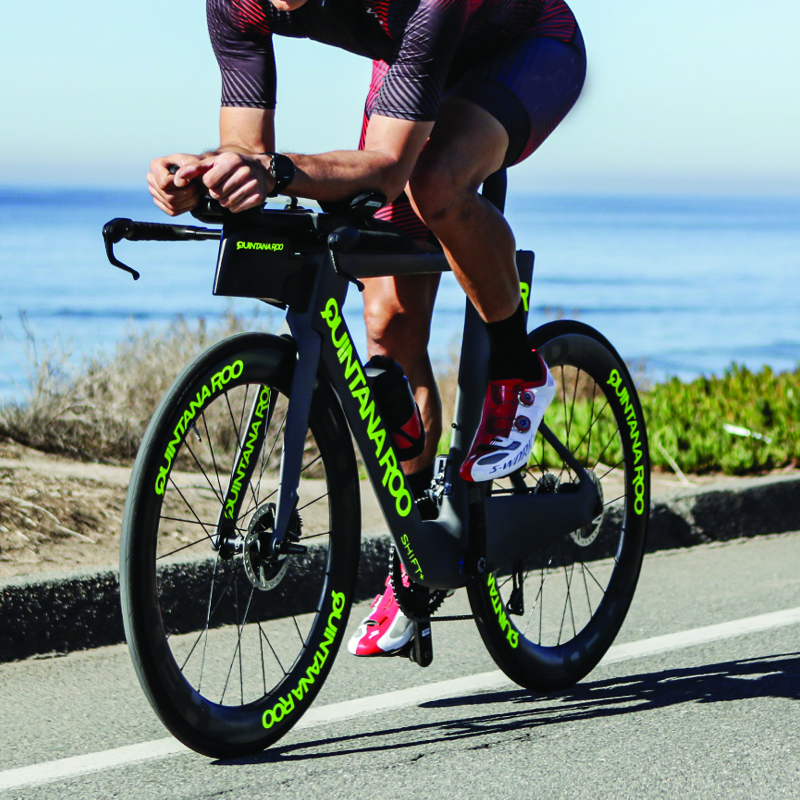
Technology is a great racing tool and many athletes have breakthroughs pacing with GPS, power or heart rate. By utilizing regular lactic or field testing to establish quantifiable training and racing zones, coupled with observing and analyzing training metrics on a regular basis, an experienced coach is able to pinpoint targets that will assure you a strong result.
Given all these facts, using technology should be a no-brainer, right?
Before answering “yes,” consider that there have been some incredible historic performances prior to the innovation and proliferation of many of these technologies, tools which we now take for granted. Athletes are not machines. Numbers can create assumptions and limiters on what we think we are capable of achieving.
I have coached athletes racing Gran Fondo who have produced higher power output for 2+ hours than they have ever seen for 20 minutes in training. This was because they were focused on staying with the pack; keeping up by reading and reacting to group dynamics. Data targets assume there are no dynamics on a race course. An athlete may not fully discover his/her capabilities over different distances relative to their lactic threshold until they were fully unleashed on race day without limiters. A budding Ironman 70.3 athlete may discover talent for going long, relative to the rest of the field. This may not have been unearthed if the athlete was limited or pre-calibrated by zones or target outputs.
So what do you do? Do you follow your numbers or do you race by feel, strategy and instinct? I would suggest at some point you should cover up your power meter and heartrate monitor, ignore pace and see what happens when you race purely with your mind and spirit. Assess the numbers after the race, not during. Take what you learn, marry it with what you observe and quantify to create a more holistic race strategy for your next “A” race.
Lance Watson, LifeSport head coach, has trained a number of Ironman, Olympic and age group champions over the last thiry years. He enjoys coaching athletes at all levels. Contact Lance at lance@lifesportcoaching.com to tackle your first Ironman or to perform at a higher level.
For more training tips, follow LifeSport Coaching on Facebook, Instagram and Twitter.
October 28, 2021
Athlete Results!
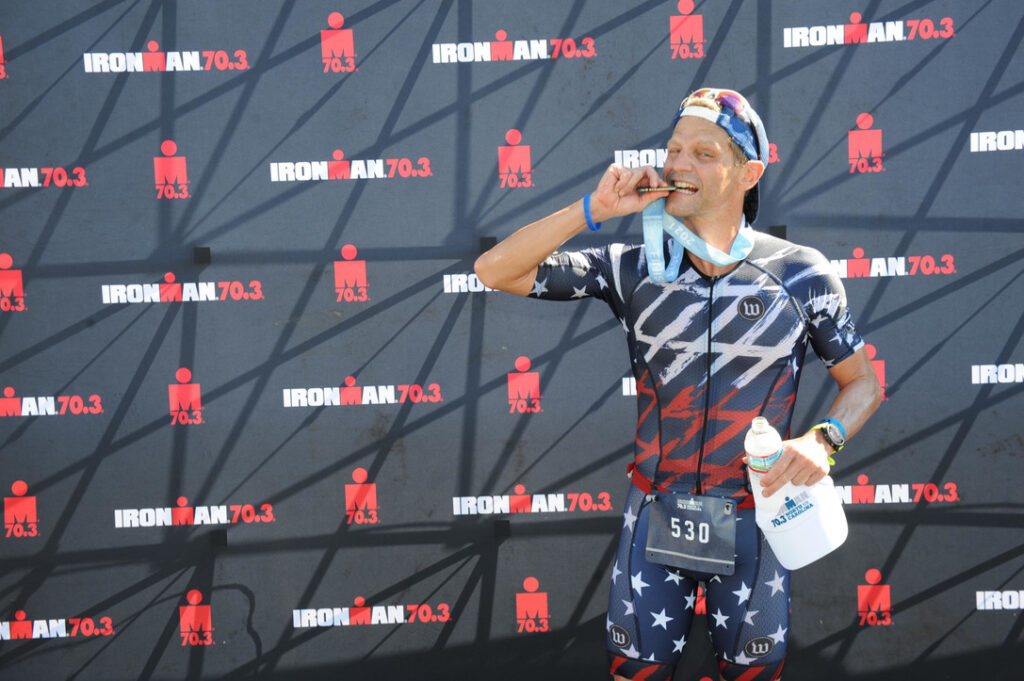
Our LifeSport athletes have been busy this fall as racing come back on line in Canada and continues apace in the U.S. Check our what our team has accomplished over the last few weeks!
- Louise Atkinson ran the Saint Sauveur half marathon in 2:01
- Coach Jeff Sankoff finished 3rd in his age group at Ironman Muncie, punching his ticket to Kona 2022!
- At 70.3 Muncie, Chad Rader finished in 6:27.
- Michael Vaccaro finished 70.3 Memphis in 6:31.
- Tanya Appuhn raced Ashes to Glory Gravel, Bridge City Cross and Zaaldercross in Oregon.
- Coach Philippe Bertrand ran the Little North Trail Marathon in 2:50.
- At the Portland Half Marathon in Oregon, Kara Govro ran 2:46 and Cat Sauter ran 2:19.
- Shelley Parsons won her age group and was 2nd overall woman at the Riverport Duathlon. She also raced the Point Edward Half in Cape Breton, Nova Scotia. where she was 3rd in her age group.
- Lindsey Sain completed the Orange County Olympic Triathlon.
- Kara Govro PR’d at the Girlfriends 10K, where Coach Juliet Hochman finished 2nd overall woman.
- Nikki Pilares completed the Whistler Half Trail Marathon in 2:20.
- Kris Ullman summited Mt. Kilimanjaro!
- Jon Becker PR’d (again) at a half marathon near his hometown in LA.
- Steve Hinds ran the Chicago Marathon.
- At the North Shore triathlon, Glenn Van As won his age group in 1:17 and Julian Brambly was 4th in 1:12.
- Andre Erlank raced the Finlayson Arm Double – 100K and 28K Ultras back to back AND finished the British Columbia 7-day MTB race.
- Nicole LaFleur and Louise Atkinson both won their age group at the Rigaud School Trail 5K.
- Talal Algahtani finished the Jubail Royal Commission sprint triathlon in Saudi Arabia.
- Jason Hollander was 2nd in his age group at 70.3 North Carolina in 4:22. Kim Tully also finished 70.3 NC.
- Pro Brent McMahon, Scott Higgins and John Becker raced the Los Angeles Triathlon.
- Rob Richmond PR’d the Narrows Half Marathon in Brooklyn in 1:24.
- Coach Lance Watson and Pro Matt Sharpe raced the British Columbia XC Championships.
- Jami-Marie Brill finished 2nd in her age group at the Ocean Isla Half Marathon.
- Mike Baker finished Ironman Texas
- Joseph Andres PR’d the Victoria 8K
- Daniel Varga finished the Victoria Half Marathon.
October 13, 2021
The lowdown on beet juice
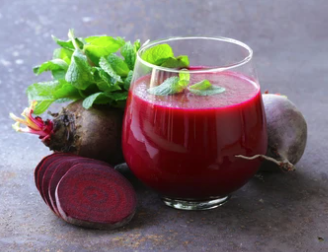
LifeSport coaches occasionally get questions from athletes on the pros and cons of beet juice and how it can enhance performance. Here is the low down in easy terms from LifeSport nutritionist, Celine Evans.
What is in beet juice?
- Rich source of nitrates which when ingested are converted to nitrous oxide
How does nitrate (nitrous oxide) enhance performance?
Recent studies demonstrate that nitrate can:
- Reduce the cost of exercise
- Increase the time to exhaustion
- Improve power output (cycling economy)
- Enhance performance in running and cycling events
How much nitrate is needed for optimal performance results?
- Typical doses used in recent sports/exercise performance studies use ~5-6mmol or ~300mg nitrate per serving of beet juice consumed ~2-2.5hrs before exercise.
- 500mL of beet juice contains ~5.2 mmol of dietary nitrate. Be aware, however, that nitrate content can vary from plant to plant therefore may not result in a reliable nitrate dose.
- Beet it makes a concentrated beet juice (70mL) that contains 300-400mg of dietary nitrate. It is safe for any competitive athlete as it has been tested by Informed Sport.
When should I drink for best performance effects?
- Recent studies have shown benefits with either a one-time dose ~2.5 hours before exercise or a continued dose over a period of 3-15 days
Other rich dietary sources of nitrates
- Green leafy vegetables such as lettuce and spinach, celery, rhubarb, leek and rocket
Heads up! Beet juice consumption may cause temporary pink coloration of urine and stool which is harmless.
Celine Evans is a qualified Registered and Sports Dietician with extensive experience working with professional and amateur endurance athletes at the National Team and Age Group level. If you would like support reaching your triathlon goals through better nutrition coaching, contact Celine at celine.evans@lifesportcoaching.com.