LIBRARY
Blog Copy
Sorry, no results were found, search again?
October 13, 2021
Why Zone 2 for triathletes?
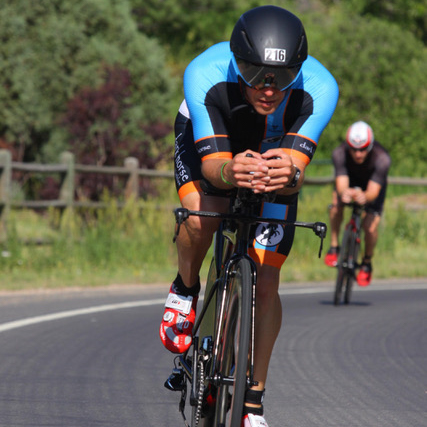
In triathlon there is a lot of focus on going fast, putting the hammer down, and feeling the burn. While that is a key component to building threshold fitness, those energy systems are often over-targeted, leading to peaking prematurely, injury or burnout.
Zone 2 heart rate or power can generally be equated to a steady aerobic effort. While still conversational, it’s still involves a focus on maintaining rhythm and efficient biomechanics at an even pace. Very generally, it is approximately 85% of your threshold heart rate or power output. Threshold is the hardest output you can sustain for 40 to 60 minutes. Zone 1, alternately, is reserved for recovery and very easy efforts.
The primary benefit of zone 2 training is that it builds aerobic base and endurance. Increased aerobic capacity enhances your ability to sustain a sub threshold pace for a longer period of time. In conjunction with higher intensity efforts, zone 2 is the foundation from which to begin to build threshold fitness. Strong aerobic capacity also allows you to recover more quickly between those higher intensity efforts as you progress into your season. For example, with strong aerobic fitness, you may ultimately be able to perform intervals with a shorter rest in between or be able to perform a higher volume of intervals at the same pace.
By sticking to lower heart rates for progression of running or cycling week after week you will notice that pace will gradually increase at the same heart rate output. This is because you start to build aerobic efficiency. You can log more training hours at a lower heart rate. The result is increased muscular endurance. Muscular durability in the legs is critical for maintaining form and pace in long distance triathlon.
For Ironman triathletes, zone 2 bike training for durations of over four hours are ideal opportunities to practice race specific nutrition. By dialing in your Ironman nutrition protocol, you can test caloric ingestion limits as well as observe your energy availability and muscular ability when running off the bike. In zone 2 you’re able to utilize a higher percentage of fat as fuel versus glycogen. As you go faster the ratio of glycogen consumption increases as well. Glycogen has a more limited fuel supply; without supplementation you can typically store about 1.5 to 2 hours of glycogen in your muscles. In a long distance triathlon, you will always to run a caloric deficit, burning more calories than you can ingest and relying on body fat stores to get you to the finish line. The more you can supplement with quick access energy carbohydrates, the higher percentage of threshold you can race throughout the day. If you are forced to use fat as your primary source of fuel because glycogen is depleted, you’ll have to slow down as fat requires more molecules of oxygen to breakdown than glycogen.
Swimming at a lower intensity also provides the same benefits of increased endurance and the opportunity to build efficiency at a set heart rate or effort. The other benefit of lower intensity swimming is to slow down and emphasize good technique. Improved technique may allow you to match pace with what you previously considered high intensity intervals.
A healthy dose of zone 2 training early in the season ensures proper endurance and an aerobic foundation. This energy system should be maintained throughout the year. Gradually sprinkle in higher training zones (3,4,5) as you get closer to your race. Slow things down to focus on technique, while practicing race specific nutrition at endurance racing specific heart rates.
Lance Watson, LifeSport head coach, has trained many Ironman, Olympic and age-group champions over the past 30 years. He enjoys coaching athletes of all levels. Contact coach@lifesportcoaching.com to tackle your first Ironman or to perform at a higher level.
October 13, 2021
When you’re sick: Considerations for returning to training.
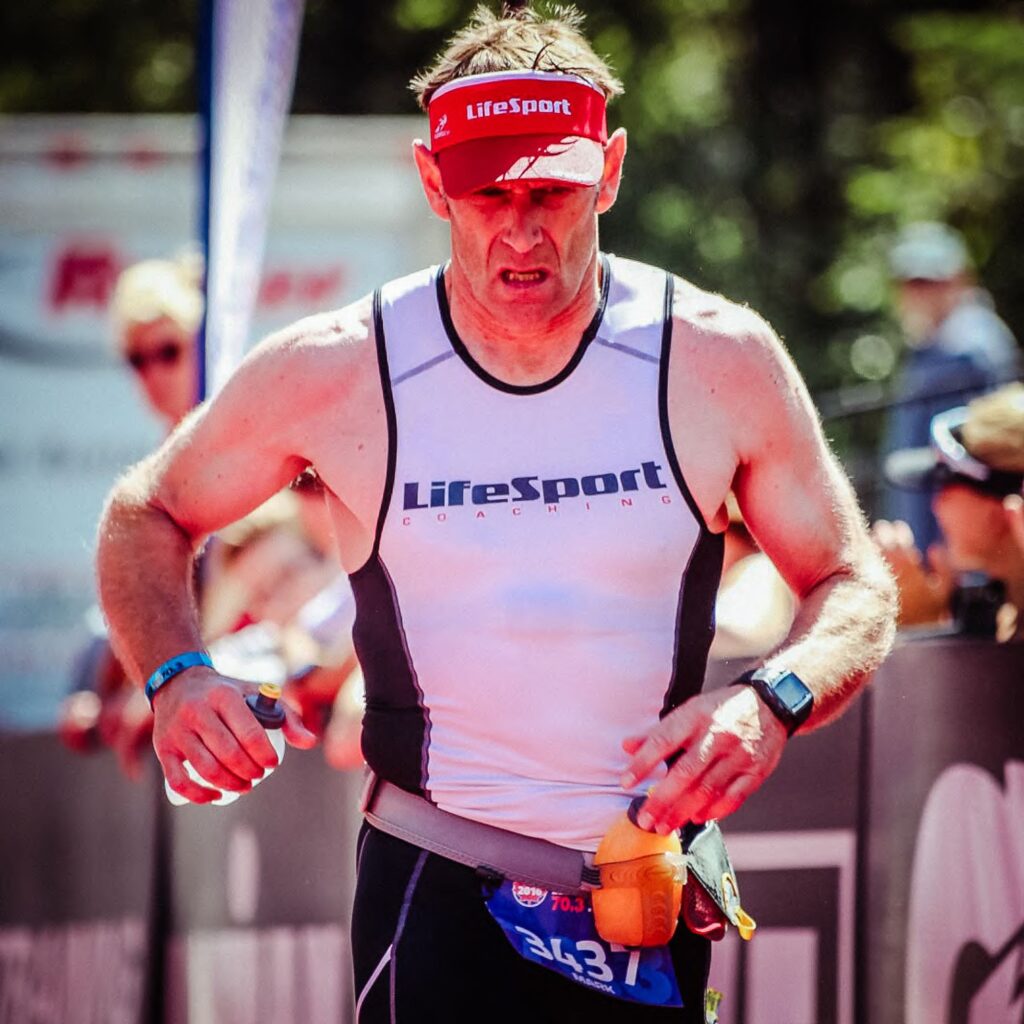
Getting sick sucks, especially when your training is on a roll. But not respecting the illness can often set you back more than trying to push through it. I like to give my athletes some basic guidelines for returning to action.
Before discussing return to training after illness, consider a few simple suggestions for staying healthy:
– Avoid overtraining. Get enough sleep.
– Reduce life stress. Eat nutritious meals. Ensure adequate caloric intake.
– Wash your hands regularly. Avoid sharing water bottles. Drink enough fluids.
WHEN DO I STOP?
To decide if you should stop training, consider the mantra “above the neck/below the neck.” If your symptoms are above the neck or in your head – and I don’t mean in your imagination! – such as a sore throat, runny nose, sneezing, or headache, then it’s typically fine to train but with reduced intensity. Consider staying out of the water and avoid cold, wet rides. If the symptoms are below the neck, such as lung coughing, muscle aches and fever, then shut it down. Remember that pushing your body while a cold or fever is incubating can amplify the ill effects.
PLANNING A COMEBACK.
When considering my athletes’ return to action, I typically like them to be symptom free for 24-48 hours, depending on the severity of illness. Initial training back should be easy, aerobic and short in duration. Think of the first 2 to 3 days as opening up the body to get it moving…like warming up an engine. This testing period not only ensures you are truly over the illness, it also prevents injury. If you still feel major symptoms, intensity out of the gate can set you right back. And if you’ve missed 4 to 5 days of training, your muscles may be rested, so a hard effort on day one can create a lot of soreness, risking injury and setting training back even longer.
After the test days, if you are feeling pretty good and you want to get back into your preplanned training routine, temper the planned interval sessions by taking them down a training zone while making the recovery portion slightly more active. For example, if you planned to run 3 x 1 mile intervals with walking recovery at 175 heart rate, do 3 x 5 minutes fartlek running at 165 heart rate with jogging recovery. This way you are accomplishing the general theme of the session without falling off your training progression, but not pushing yourself back over the abyss into illness.
WHAT ABOUT MISSED WORKOUTS?
If you have missed 2 to 5 days of training, don’t panic. Fitness has not changed. If you are getting close to race season, you may look at rescheduling some of the key sessions that were missed. This is where it’s helpful you sit with your coach and tinker with your upcoming two weeks of training.
If you have missed 6 to 14 days of training, you may have to look at your overall progression and take a step back within the training progression (mesocycle). Hit rewind for 1 to 2 weeks prior to the onset of the illness (the longer you are out, the longer you hit rewind). Replicate the general framework of training you did prior to getting sick before progressing to the next planned step of your training schedule.
If you have a big race coming up, that can be a tougher call. Assuming you don’t have flu, fever, or chronic coughing associated with a deep chest or bronchitis, you could consider a very short tempo “tester” effort the day before the race, such as 5-10 minutes of tempo running in Zone 3, to see if your body is ready. Race pacing strategy should be more conservative as well. Think of a building effort. And note that your risk of getting sick after the event is quite high. You should always consult your doctor before considering racing.
While getting sick is never fun, you can take pride in being as professional as possible in returning to action without causing further setbacks. Follow these basic guidelines to minimize risk and reduce loss of fitness.
Lance Watson, LifeSport head coach, has trained many Ironman, Olympic and age-group champions over the past 30 years. He enjoys coaching athletes of all levels. Contact coach@lifesportcoaching.com to tackle your first Ironman or to perform at a higher level.
October 13, 2021
Win at all costs
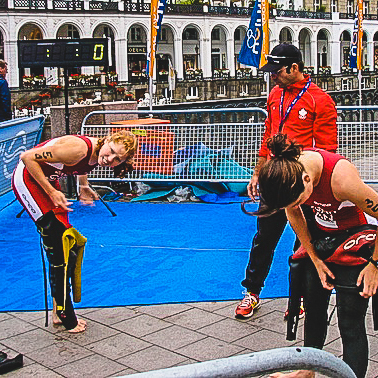
We all know the power and influence coaches have in the lives of their athletes. Athletes who grow up participating in a variety of sports remember that one coach who encouraged and empowered; who made it fun while asking them to look inside to find a little more. When we talk about the role models critical to a young person’s development, it’s parents, teachers and coaches. Coaches foster the growth, development and health of our children and are central figures in the functioning of a healthy community.
Mary Cain’s story has dominated the headlines recently, triggering something of a #metoo movement amongst female athletes. Her testimony has become a lightning rod, compelling women to demand change. A talented young female runner, fresh out of high school and brimming with youthful hope and vigor, relocates across the country to train in what seems like a dream scenario. Mary joined some of the best runners in the world gathered at the Oregon Project under coach and running legend Alberto Salazar.
Cain and her parents could not have anticipated the environment she was walking into in Oregon. According to reports from her and other athletes, the Oregon Project was a toxic, win-at-all-costs, tyrannical environment where Salazar’s word was law. During my Olympic team coaching days, I saw shades of this autocracy in many federations, where talented youth were fast tracked into adult programs by federations and coaches hungry for results. A leave “no-stone-unturned” pursuit of performance unhealthily morphed into a “throw 30 eggs against the wall and the one that doesn’t crack wins” approach. But athletes are not just performance products; they are individuals who depend on coaches, nutritionists and health professionals to support them as they strive to reach their potential as athletes and as people.
The Oregon Project devolved into an environment of “win-at-all-costs.” Athletes claim they were pressured into seeking prescription medications to gain a performance edge and allegations have been lodged against Salazar for trafficking testosterone. In this environment, the human being doesn’t matter.
Cain is someone’s daughter – a kid really – who just happens to be really good at running. Can we justify any means if the outcome is a gold medal? Do you chastise a young girl – or any woman – in front of a group of her athletic peers about her weight? Do you brush it off when she divulges that she is cutting herself? A coach is not a professional psychologist – that’s not our role – but we are mentors and leaders and have a responsibility to look out for the well-being of the young athletes under our guidance. To help them get help.
This year Ruth Winder won the National Road Cycling Championships. Like many endurance athletes, she had her struggles with body image, restricting calories in the name of performance to the point of becoming amenorrhoeic, which can result in long term irreversible physical changes. Bicycling Magazine reported, “…the thing with Winder: She’s a perfectionist. She was fastidious about counting calories. Her mindset at the time, she says, was ‘I can deal with being a little bit hungry’.”
Willing to endure hunger in an attempt to increase her power-to-weight ratio, Ruth instead saw her performance go backwards. Recognizing she was not on the right path, she reunited with her old coach, Ben Day. And here’s the difference between Day and Salazar: Day looked holistically at Ruth, the person, her psychological health and happiness. He immediately sought professional help for Winder.
Together, Day and Winder consulted Dr. Stacy Simms to create a holistic nutrition plan that focused on nutrients rather than calories, reinvigorating a performance approach which included mountain biking and an extended break from cycling altogether. They consulted a sport psychologist. Ben Day recognized what many coaches before him have as well: A happy athlete is a fast athlete.
What’s the difference between these two environments? One involves degradation and abuse, trying to grind out performances from athletes regardless of the long-term impact on their physical and mental health. The other leverages the role of the coach as mentor, orchestrating a healthy, proactive high-performance environment…a coach who cares for the whole human being, fostering performance results rather than breakdown and burnout.
Salazar and the coaching staff at the Oregon Project missed the opportunity to not only develop a world class runner in Mary Cain; they missed the opportunity to mentor and support a world class person. And to make it worse, they inflicted emotional and physical damage that drove Cain from the sport and may affect her for the rest of her life. Ben Day and other coaches like him get it right and are proof positive that coaches can be powerful mentors for women and men alike.
Coaching comes with great responsibility. Coaches have an obligation to look out for the well-being of their athletes in addition to their long-term performance development. We cannot lose sight of the fact that our athletes are human beings first and that this is a critical component in helping them attain their maximum personal potential.
Lance Watson, LifeSport head coach, has trained many Ironman, Olympic and age-group Champions over the past 30 years. He enjoys coaching athletes of all levels. Contact Coach@LifeSportCoaching.com to tackle your first IRONMAN or to perform at a higher level.