
LIBRARY
Blog Copy
April 28, 2022
Dan’s Picks – TICKRFit
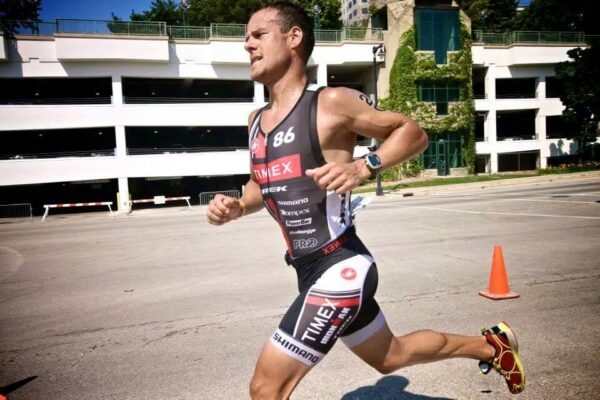
Getting an accurate heart rate reading while cycling or running seems to be a challenge these days.
Five or six years ago the industry shifted away from chest straps, as many athletes find them uncomfortable, to sensors on the back of watches. These devices consist of LEDs that shine wavelengths of light into the skin to measure the amount of light scattered by blood flow. Photodetectors pick up the reflected light and then a series of algorithms are used to determine heart rate. The heart rate the athlete sees is a result of calculations, not straight forward measurement of what the heart is doing.
After analyzing countless athlete training files, my experience has determined the wrist based heart rate sensor is a poor choice for accuracy, in part due to location directly on bones, tendons which results in optical noise. Getting an accurate heart rate from a watch while cycling is particularly problematic, due to the constant flexing and bouncing at the wrist. This is backed up on Valencell’s website, one of the larger manufacturers of optical heart rate monitors.
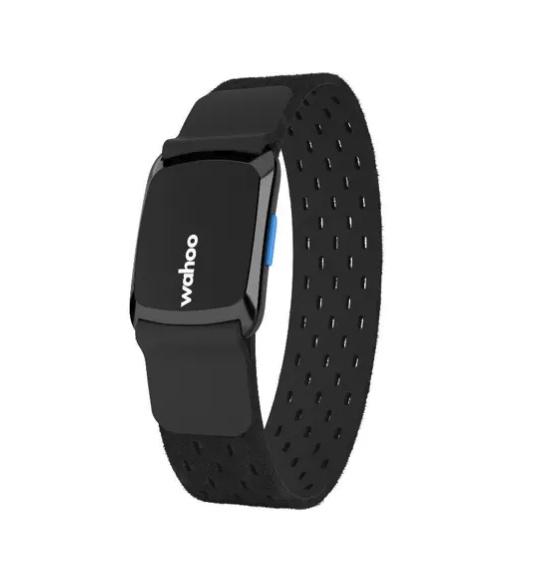
However, optical heart rate technology can be accurate when applied in the correct way. Forearm or bicep optical straps are far more accurate and are also very comfortable. I had been using a Scosche Rhythm + arm band for the past few years and when it died I switched to the Wahoo TickrFit. I’ve been impressed with how well it tracks heart rate and how smooth and easy to read the TrainingPeaks files are. The arm band is comfortable around the bicep. It also pairs easily with any watch, cycling head unit or Zwift.
If you want to provide yourself or your coach with the best training data for feedback, consider the Wahoo TickrFit heart rate strap. I’ve found it significantly better than any wrist based sensor.
Dan Smith has trained a number of Ironman, Olympic and age-group Champions over the past two decades years. He enjoys coaching athletes of all levels. Contact Dan to tackle your first IRONMAN or to perform at a higher level.
April 28, 2022
Dan’s Picks – Quintana Roo
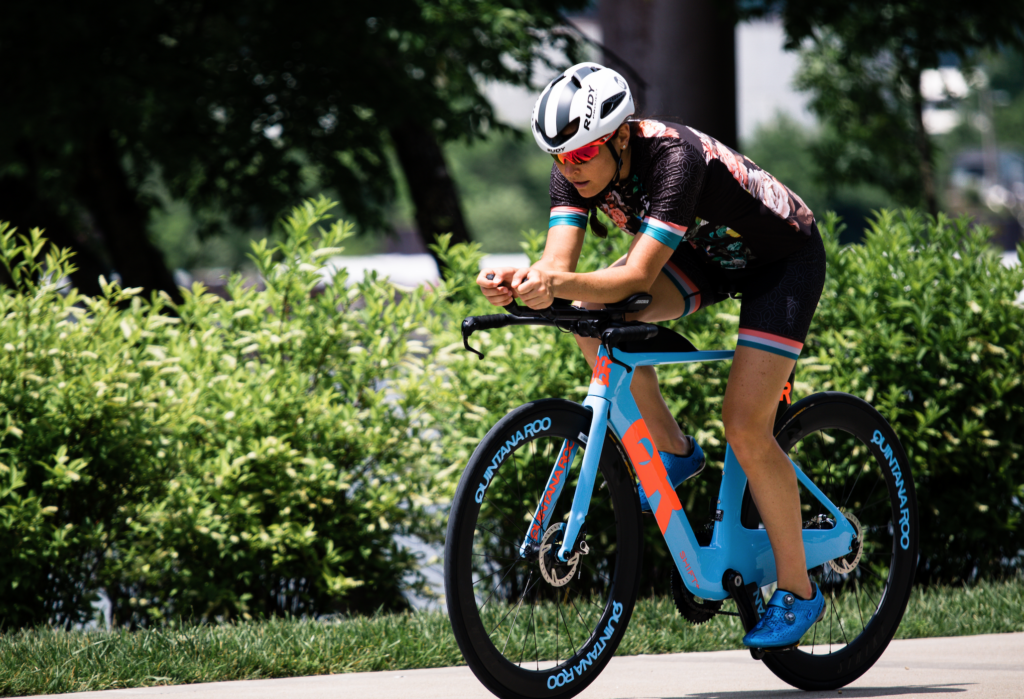
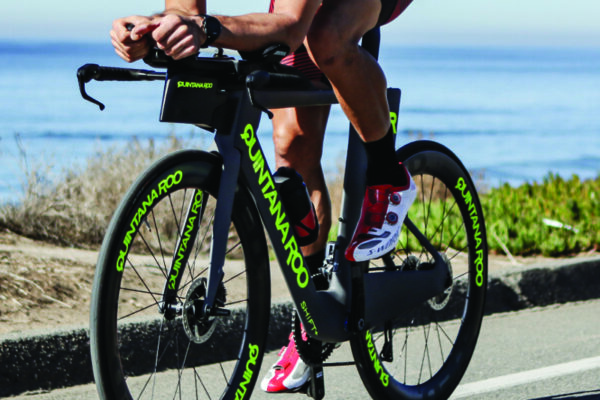
The latest triathlon bikes from Quintana Roo in 2021 have evolved into a complete aerodynamic package. All Quintana Roo bikes place the emphasis on an easily adjustable cockpit so the rider is comfortable and wind cheating as possible.
But what makes them now so much better is that one no longer has to turn this aerodynamic marvel into a Rube Goldberg contraption with bottles, spare tubes and food taped, strapped and stuck to whatever frame surface is available.
All models from PRFour to PRSix have top tube storage that holds bars and gels within arm’s reach. Rear mounted storage boxes improve air flow but also hold CO2 inflators, tubes and repair tools.
The PRSix2 takes hydration one step further with an integrated water bottle between the aerobars which also acts as a fairing along with the riders arms.
On top of this, most models of Quintana Roo tri bikes have disc brakes. Many athletes might question the need for such stopping power, but any development that improves rider safety is a welcome addition. You may not need to use your brakes much in a triathlon, but if you have to stop suddenly to avoid something that has suddenly appeared in your path, disc brakes are your friend. They require the same finger pressure on the levers no matter how long they are engaged. As well, removing rim calipers allows for wider rims and tires which has been proven to be more aerodynamic (and comfortable).
Check out the latest models from Quintana Roo. Now you get the most from a bike that slices through the air with minimum resistance.
Dan Smith has trained a number of Ironman, Olympic and age-group Champions over the past two decades years. He enjoys coaching athletes of all levels. Contact Dan to tackle your first IRONMAN or to perform at a higher level.
April 28, 2022
Dan’s Picks – Mental Training
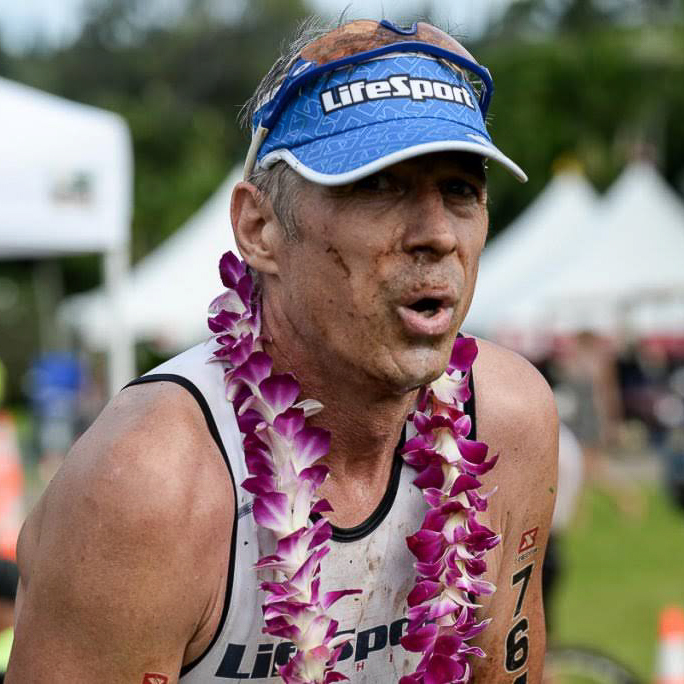
The best athletes in the world are currently at the Tokyo Olympics competing in their chosen sports – having trained relentlessly towards a singular goal – a Gold medal. These Games, coming every 4 years, always bring out some incredible performances.
In order to get to this point they have to prove they are the tops in their country. Each and every athlete has worked with a coach or team of coaches to prepare their bodies the best they can. When you look at the performances and records broken it quite easy to see that the athletes are so close in abilities and preparation for all is remarkably similar. So what makes the difference?
The athletes that come out on top have that extra edge, mentally. The image of Norwegian Kristian Blummenfelt willing his body to run faster and to continue running further than his two closest competitors, all while his muscles were screaming for him to stop illustrated how much the mind can affect the outcome of a race. That was pure grit!
The games coincided with a fellow coach recommending an excellent book – How Bad do you Want it? Mastering the Psychology of Mind over Muscle by Matt Fitzgerald. The book, written for endurance athletes, is an easy and engaging read, full of anecdotes and also backed up by scientific studies. It delves in to all aspects of the positive and negative powers of the mind over the body.
As a coach I highly recommend giving this book a read. There are so many aha moments where I was thinking of sharing with an athlete or the groups we work with. It is available from VeloPress.
In the same vein, Netflix has a six episode show called The Playbook – A Coach’s Rules for Life. This is also an excellent series where in one a coach is working with an athlete or team towards not just a Championship, but also has to overcome a personal obstacle on that journey.
Well worth the watch!
Dan Smith has trained a number of Ironman, Olympic and age-group Champions over the past two decades years. He enjoys coaching athletes of all levels. Contact Dan to tackle your first IRONMAN or to perform at a higher level.