LIBRARY
Blog Copy
Sorry, no results were found, search again?
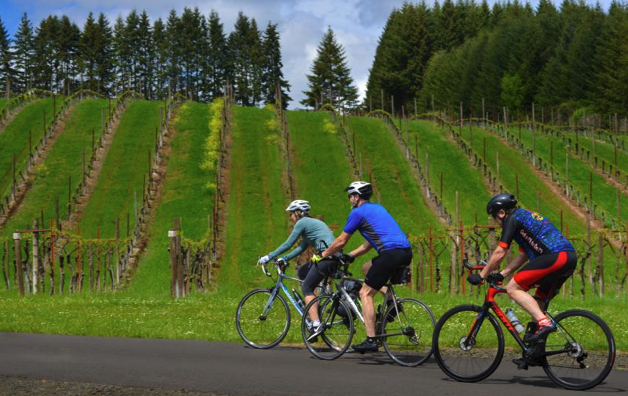
LifeSport race preparation clinics are an incredible way to gain course-specific knowledge in advance of race day. Join Oregon-based LifeSport Coach and multiple 70.3 Age Group Champion, Juliet Hochman, for a full-day camp to make 70.3 Oregon your best race yet! Juliet won her age group at this race last year and is excited to share her strategies for a personal 70.3 on this fast course. Clinic includes:
- Course preview for 70.3 Oregon – we will swim the course, ride parts of the bike course and run at Minto-Brown Island Park!
- Managing your race day for optimal performance
- 70.3 bike and run pacing using heart rate and/or power
- Nutrition and hydration guidelines
- Maximizing your open water swim performance with a rolling start and a downriver course
- Mental preparation
- Race week logistics
Check out this IRONMAN article by Coach Juliet about the Oregon course!
This camp has two options. For a preview of the bike and run course and all the other activities listed above, camp starts at 10:30 a.m. at Riverfront Park. This full day clinic runs until 4:00pm and the cost is $90. To add a kayak-escorted swim course preview with our local partners in Salem, meet at Riverfront Park at 8:00 a.m. The swim clinic is $40 and separate registration is required here.
All levels welcome. Bring snacks and lunch. To hold your spot for the triathlon race clinics, sign up here for June 4 and here for June 18! Email Juliet at juliet@lifesportcoaching.com for more information.
June 29, 2021
Come to Camp in Penticton, B.C.!
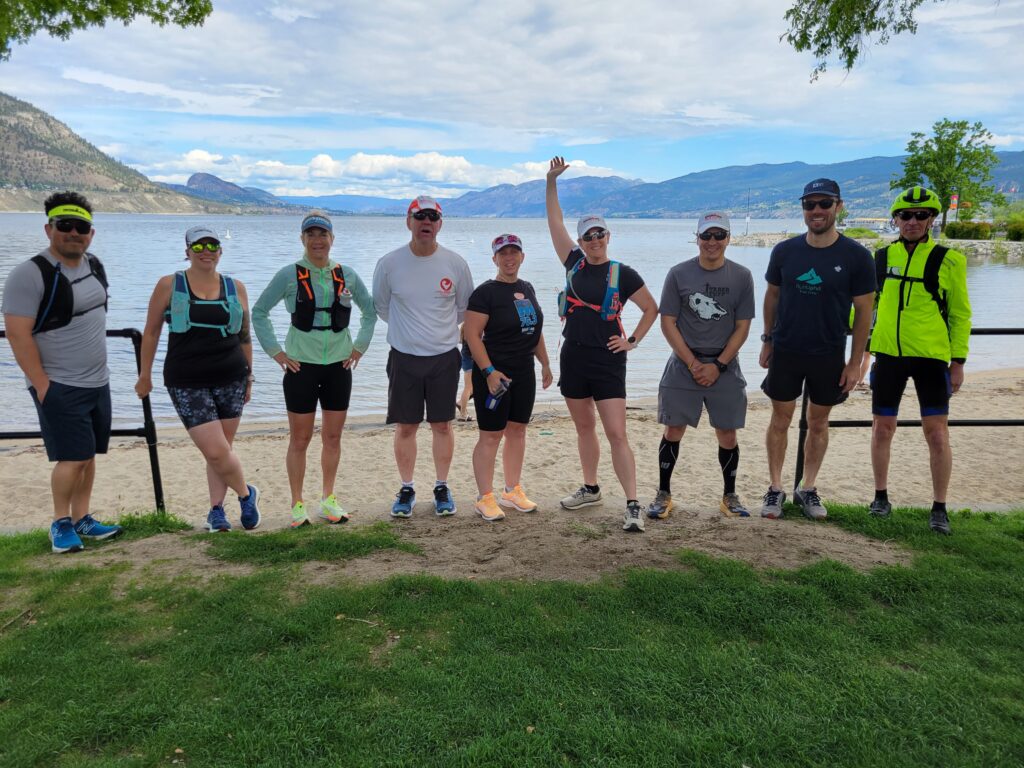
Join LifeSport coaches for a weekend of race preparation, June 17-18, 2023
LifeSport race specific training camps provide an excellent opportunity to learn the particulars of the IRONMAN Canada venue. Attendees will gain firsthand experience how to best handle the challenging bike course and navigate the turns of the run. On top of this, expert coaches will share tips on race nutrition as well as pacing the bike and run.
The LifeSport Ultimate 2023 IRONMAN Canada in Penticton B.C. offers an incredible triathlon experience. Enjoy the spectacular Okanagan scenery, pristine lakes, and meet like-minded triathletes sharing event goals – whether it is to finish the race strong or qualify for World Championships in Kona!
Led by LifeSport Executive Coach, Dan Smith. He has qualified for Kona on the Penticton course and coached several athletes to PR performances in the hills of the Okanagan Valley. Joining him will be everyone’s favorite coach, Mark Shorter who spends a lot of time in Penticton. If you are prepping for a standout day at IM Canada – or looking forward to finishing your first-ever Ironman in Penticton – you will not want to miss this camp.
Experience an open water swim in Okanagan Lake which includes starts, sighting, pace efforts and drafting techniques.
Ride portions of the bike course to experience and learn how to tackle the mountain terrain.
Includes run course reconnaissance with feedback and guidance that will be invaluable to your preparation!
Learn nutrition and pacing strategies for long distance racing, as well as proper race day equipment selection.
Cost: $195.00 + GST
Camp fees include training support, coaching, facilities, camp souvenirs, and training nutrition.
Travel, meals, and accommodation are not included.
All entries are non-refundable and non-transferable.
Camps are open to triathletes of all abilities.
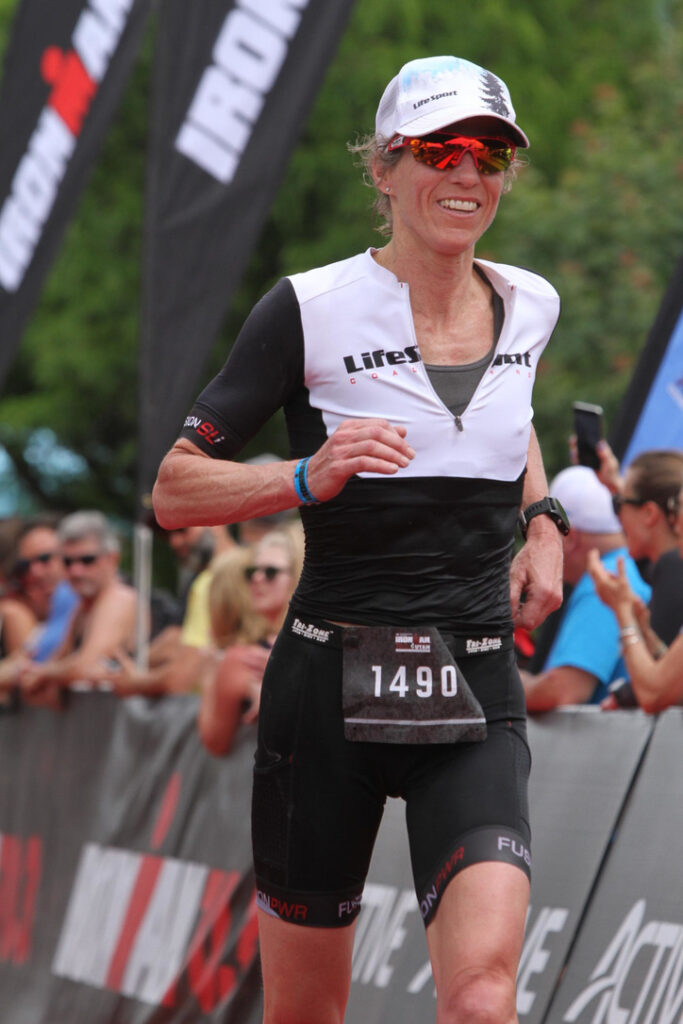
“Courage Micha! Courage! You’re doing GREAT old girl! Stay down, stay tight. COURAGE!”
Mile 31. 1:21 on the bike clock. 250 calories in. Curving downhill, gentle wind out of the southeast. I’m in tight TT position descending Green Springs Drive; Micha-the-Torpedo-TT bike is absolutely flying and I am squeezing every second I can out of this screaming downhill.
As for everyone else at the 70.3 North American Championships last weekend, St. George was my first race in nearly 18 months. Add to the COVID pandemic two injuries and a run-in with cancer that took me out of running for an additional year and Utah was my first 70.3 since Whistler in July 2018. It felt like decades since I’d last lined up in a swim chute; yet here I was yelling at my bike carrying the expectations of myself and others through Utah’s red rocks.
Even when laser-focused on the racing task at hand, there is time to think out there in a 70.3. And plenty of time for gratitude. I know that this has been an impossible, even devastating, year for so many. Yet I’m grateful. I’m grateful for the unexpected gifts of the pandemic. With the return to racing last weekend, these gifts – and their benefits – crystalized for me.
COVID gave us the gift of time.
To train. In a typical training year, athletes focus on 2-3 key events with smaller local or regional races sprinkled in for practice. COVID took away all that. But what initially removed motivation to train became an enormous opportunity. Instead of navigating the boom-bust cycle of train-taper-race-recover, we enjoyed an entire year of uninterrupted, consistent training. Looking back through the last 12 months, I’ve taken fewer than five days off. My power numbers are excellent, my swimming suffered very little from time out of the pool and my running has not only come back but appears to have increased resiliency and consistency. And I’ve seen the same in my athletes. Consistent, focused pandemic-training yielded a walk-away performance at St. George, even as the oldest in my age group. I can’t wait to see my athletes absolutely crush it this year.
To recover. Last April when we went into Lockdown #1, I had booked a surgery date to have my right Achilles totally reconstructed. I’d unsuccessfully tried everything and building any kind of speed or volume was impossible. With hospital procedures delayed and lay-offs compromising my health insurance, surgery was pushed out. This delay unexpectedly gave me time to go through an intentional return-to-run and functional strength regimen. And apparently that was what I needed. On St. George’s challenging run course with 1,267 feet of vertical, I produced my best paced 70.3 run to date.
To learn new skills. Since COVID began, I’ve learned how to use Zwift, Rouvy, Send-in-Blue, YouTube, Hootsuite, Zoom, SquareSpace, WordPress, TabataTimer, Instagram Stories, Venmo and Discord. No, seriously. I’ve also learned to lead engaging strength and bike workouts over Zoom, race on Zwift and Rouvy, and create virtual competitions to inspire and unite athletes across time zones. Why? Because as we pivoted to meet the changing needs of athletes, we had to find new avenues to communicate, connect and inspire. It has made me a better athlete, coach and businesswoman and I have no doubt that my athletes are benefiting from this wider breadth of knowledge and experience.
COVID gave us an opportunity to build community.
The most alarming impact of the pandemic on athletes was not the mourning of delayed race goals and lack of motivation to train, it was that athletes felt very isolated and alone. Unable to attend group workouts, the gym and (in some places) confined to their home, athletes’ MO to use training to socialize was completely eliminated. For athletes without families or living alone, this was particularly devastating, and I worried about far more than their race readiness; I worried about their emotional stability.
So we figured out how to run strength, ride and run workouts via Zoom and Zwift. We had no idea what we were doing at first, but a year later, the LifeSport community is more connected than ever in its history. When people ask me if it’s been lonely training during the pandemic, I laugh and say “no way! I have over a dozen people in my garage every day of the week!”
COVID became an enormous opportunity for athletes to meet each other; train together; get to know individual habits and idiosyncrasies; tease, motivate and inspire one another and – as demonstrated so keenly last weekend – cheer each other on to great race performances. I came back to my car to find over 200 WhatsApp, text and email notifications on my phone. Did I feel that energy out there on the course? You better believe it. And you will too. This is the “build your boathouse” ideal I spoke about in my ChalkTalk in December; the power of community to unconditionally support, empower and inspire. COVID allowed us to build our LifeSport boathouse.
COVID forced us to evaluate our “why?” and to develop mental resilience.
As the pandemic’s shutdown stripped races from the calendar, athletes lost their motivation to train. This continues to surprise me. I love racing to a fault; but racing is not why I train. COVID forced athletes to take a hard look at what motivates them to put in the training hours. Athletes had to work hard to find the “why” in training, to move the internal dialogue from this is something I have to do to something I get to do.
Athletes need to build a mental toolkit to help them navigate the dark moments that inevitably occur during races. We do this in training, capturing the satisfaction of nailing a hard workout, getting out of bed to train when it’s dark and cold, or fearlessly tackling a set that seems impossible on paper. We squirrel away positive mantras and inspiring song lyrics and encouraging feedback from coaches and teammates. These become the tools that we draw on at the top of Snow Canyon’s climb or on the hill at Mile 9. Training through the uncertainty of a pandemic forced us to work a little harder to build that toolkit, making us stronger for the race challenges that lie ahead.
Me? I really missed training with my friends and teammates during the pandemic. I’m a rower with a rower’s expectation that training is a shared endeavor. But alone or with others, I like feeling my body work hard and move fast. I like seeing if I can pull just a little more out of every effort. Every interval of every workout is an opportunity to push a little bit harder, get a little bit faster, find a little bit more speed. If I ever doubted my commitment to a workout, I asked myself “what if this was the one that makes a difference on the hills of St. George?” I want to arrive at every start line knowing there is nothing more I could have done to get there. No stories; no what ifs.
In rowing we often talked about “finding a little more speed.” In a 60-foot, lightweight, carbon-fiber rowing shell manned by eight powerful but fiercely independent women, that was a complicated endeavor. But as I descended Snow Canyon last weekend, hollering at Micha for more COURAGE, it was in that pursuit of speed. And it felt like coming home. So, yes. I’m grateful for the time that the pandemic has given us. To train, to heal, to build community and to build our mental muscle. And you will too. Can’t wait to see you all out there.