
LIBRARY
Blog Copy
December 15, 2023
Avoid These Common Off Season Mistakes
by Head Coach Lance Watson
As originally published by Training Peaks
The offseason is a time for rest, and it’s crucial for setting yourself up for the next season. Avoid these common mistakes to stay strong year-round.
When we think of the offseason, we often rush to shut everything down, take a break, and put our feet up. This is not necessarily wrong, as taking time off should be a relished element of the postseason. But, believe it or not, you can take your break too far! The offseason is an awesome opportunity for nourishment and for paving the way to a healthy, happy, fit, and fast new year. Here are five common mistakes to avoid.
Mistake 1: Not Gaining Weight
This might sound like your coach just gave you a “get out of jail free” card, but this is not quite the case. If you have been racing endurance events for the past six to eight months, the chances are that you’ve reduced your body fat and started to break down muscle.
Most top athletes will try to add a little bit of body fat through the winter to keep their immune system robust while giving them something to work from when they start to ramp up endurance miles in the spring and build muscle back in the gym.
Generally, you should aim to increase your body weight by 2% to 3%. Decreased training volume with a sustained calorie intake might be all it takes, but make sure to enjoy some treats along the way. Focus primarily on a nutritious plate with whole foods and lots of color.
Mistake 2: Not Practicing Technique
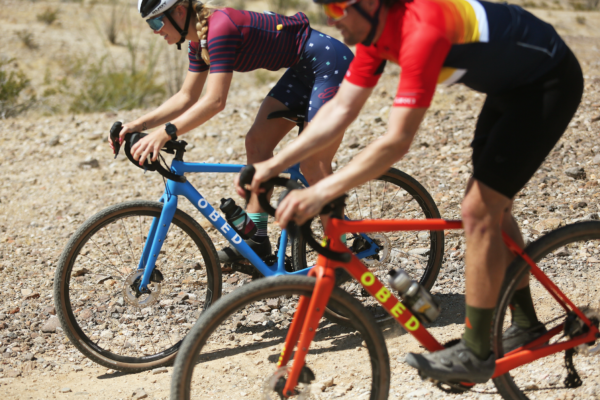
While it makes sense to back off the overall volume, the offseason is a prime opportunity to develop sport-specific skills. Because you are not in perpetual train-race-recovery mode, you have the ability to really dig into technique work.
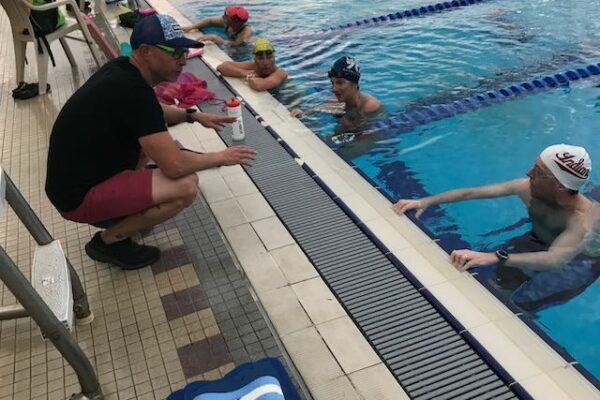
Spend less time looking at the pace clock and more time recording videos of your technique. This is your golden opportunity to become a more efficient athlete. Work with a skills coach to learn how to handle your bike like a tour racer or dial in your running posture like an elite marathoner. Learn the difference between stroke rate and stroke efficiency in the pool, adding both to your toolkit.
Mistake 3: Avoiding Intensity
While we want the body to regenerate through the winter, it is also important to sustain movement efficiency. Overall training should be more aerobic in nature and skill-oriented, but it is important to move at sport-specific intensities to maintain neuromuscular efficiency while staying in touch with your aerobic and anaerobic threshold.
Do 25-35% of your typical weekly workload in Zone 4 or higher and sprinkle in workouts at this intensity throughout the week. It should all be “feel good” fast as opposed to “going to the well” fast.
Mistake 4: Getting Weak
Endurance sports tend to be very linear in nature, causing us to grow strong in some areas and weak in others. The offseason is a great time to cut back on endurance activities and add an extra gym day or two for a total of 3-4 times a week.
Make sure to focus on core strength and mobility — you can do core exercises every day. Mixing up your routine and working your sport-specific muscles on multiple plains keeps you fresh and teaches the body to be strong through diverse movements instead of completely linear ones. Consult a professional to determine muscular imbalances and to keep your strength scripts fresh and relevant.
Mistake 5: Being Anti-Social
Get off your indoor trainer and spend some time working out with friends. This is the time of year when nailing threshold sets is far less important. Ride and run with slower friends you don’t usually get the chance to train with. Go for a walk/jog/hike with your partner. Play street hockey with your kids.
It is really important to periodize your season mentally in the same way that you periodize the year physically. At this time of year, focus on enjoying your training environment and social circle. Celebrate your health, fitness, and this awesome sports endurance community that we all love.
by Coach Jeff Sankoff, M.D. (a.k.a. the Tri-Doc)
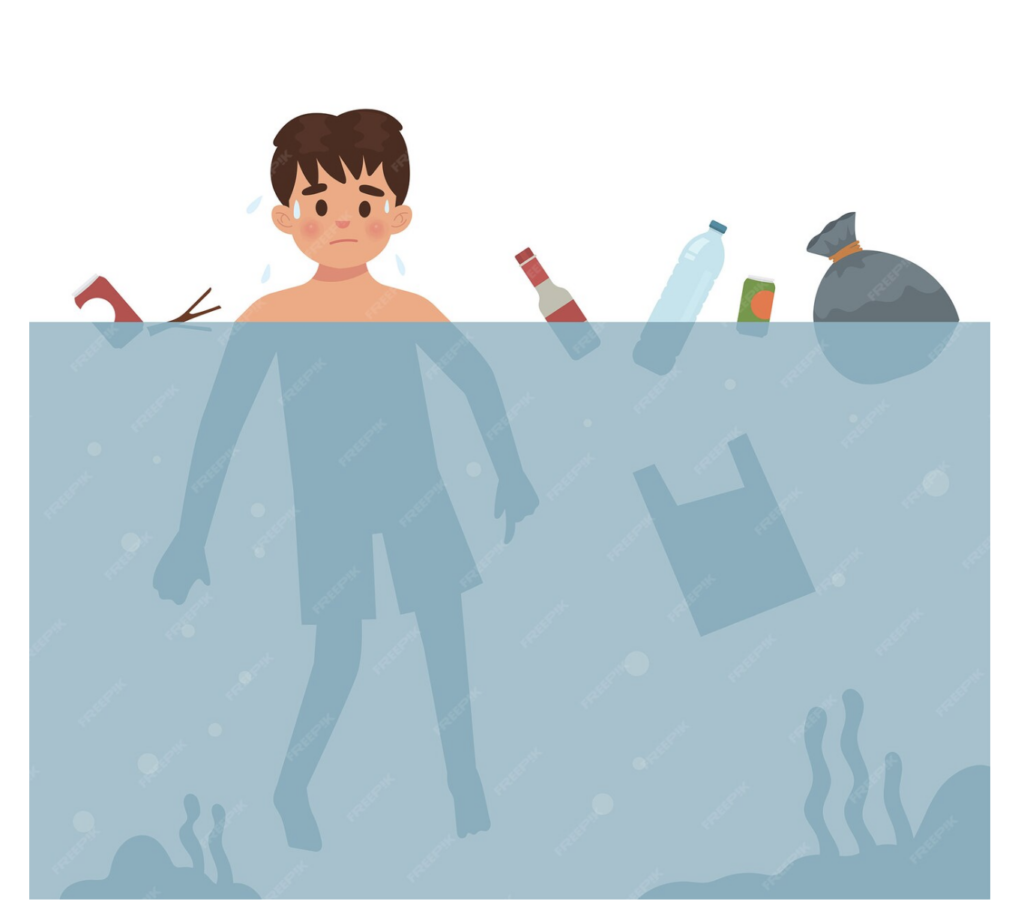
Earlier this month at an event in Sunderland in the United Kingdom, 57 people were reported to have fallen ill with gastrointestinal ailments after participating in the World Triathlon Championship Series event there. More recently, World Aquatics had to abruptly cancel the Open Water Swimming World Cup event planned for the Seine in Paris and there is concern that the Paris 2024 triathlon test event will not have a swim if the water quality does not improve.
These instances of illness and poor water quality are not new nor are they particularly uncommon when it comes to triathlon. Over the past several years there have been numerous cases of events having to cancel the swim portion of the race or of athletes complaining that they became ill when the swim wasn’t canceled but maybe should have been. What is going on here? Is there an explanation for why water can become particularly dangerous and is there a way that athletes can take precautions to prevent becoming ill when the swim does take place?
A review article in Current Sports Medicine Reports from 2019 addressed these questions and helped shed some light on this issue.[i] The authors point out that along with the potential for infection, open water swims are associated with significant potential environmental hazards. Water temperature is the most commonly considered of these with a long-established association between an increased risk of fatalities with lower water temperatures. Other medical problems that are associated with colder water include hypothermia, exercise induced bronchospasm and swimming induced pulmonary edema (SIPE).
Other environmental hazards also pose risks to swimmers in open water. These can be from rough surf, strong currents or marine animals like jelly fish, sharks or apparently, otters!
Still, infections are a growing concern among public health and medical professionals and are increasingly recognized as an all-too-common occurrence after swimming in open water even when the swim takes place in salt water or in a river with a strong current.
The connection between swimming and illness has been recognized for more than a hundred years. In the early to middle decades of the twentieth century summertime swimming in lakes or ponds all too frequently led to the contraction of polio, a virus transmitted in sewage and then ingested by swimmers leading to disease and occasionally permanent paralysis.
With the advent of the Salk vaccine, the threat of polio receded but other diseases still contaminated the water. These mostly come in the form of other viruses and are generally mild but there are also parasites and bacteria that can be ingested from contaminated water and these can lead to more serious illnesses.
In 2017, researchers published a study looking at a large outbreak of diarrheal illness in swimmers at an event in the Thames River in London.[ii] The authors found that fully one third of participants contracted a gastrointestinal illness after the event and this was despite water samples demonstrating no significant bacterial contamination measured the day before. In addition, local wastewater utility managers reported no known sewage spills into the river on the day of the event. So how did so many people become ill?
It turns out that on the day before the swim took place there was an unusually high amount of rainfall detected in the area surrounding London. All that rainfall the authors reported, washed off farmland and into tributaries of the Thames. By the time the wastewater poured into the river where the open water swim was taking place it was laden with all of the animal waste and fertilizer that it had picked up from the surrounding farmlands and it was this that swimmers then ingested and became ill from.
The impact of rainfall was dramatically shown in another paper from Denmark where participants of the Ironman Copenhagen were compared in years that were dry to those when there was extreme rainfall.[iii] In drier years rates of gastrointestinal illness after the event measured 8% while after a year with extreme rainfall it was as high as 42%!
Rainfall is not the only environmental factor that impacts the likelihood of swimmers becoming ill. Water temperature is another. Higher water temperatures in conjunction with increased runoff from adjoining farmlands can lead to algal blooms and in some cases those algae may be toxic to fish and mammals. In 2019 just such a bloom of toxic blue-green algae in the Ohio river led to the cancellation of the swim for Ironman Louisville. Had it not been cancelled there would have been a significant threat to participants.
More benign but still annoying conditions that can be contracted from the water include swimmers itch, a reaction to parasites deposited by waterfowl. These are generally benign and no more than a nuisance to triathletes but still a nuisance!
Knowing all of this, what can triathletes do to mitigate their risk when participating in an event? One of the most important things that an athlete can do is just be aware. Keeping an eye on the weather leading up to an event can give a reasonable indication of whether you can expect significant runoff from farmland or spillage from sewage plants because of flooding. If there is a lot of rainfall in the forecast leading up to an event this is a warning sign that water contamination is possible.
If rain is in the forecast there isn’t a whole lot that you can do. Water quality is assessed on a regular basis and it is no one’s best interest to allow an event to take place if water quality is out of line with safety standards but because of the delay in results it is possible that a safe result comes from a day before the event and that rain fall since that result was obtained will have dramatically changed the quality of the water in the intervening time period. If you have concerns, you have two options: 1) do not participate or 2) limit the amount of water that you ingest.
Several studies have correlated the amount of water that swimmers ingest during an event with the likelihood that they will become ill. While swallowing water is often completely involuntary, making a conscious effort to NOT swallow any water is a potentially viable strategy.
There are a couple of reassuring thoughts to consider after all this discussion. First, even if you do ingest a quantity of water that is sufficient to cause illness if the water was contaminated, the time for the onset of that illness is in most cases longer than the time it will take to complete the event. In other words, you should get to complete your event before you develop any symptoms. Second, if you do become ill, although the illness is unpleasant these are very much self-limited and rarely need interventions. Aside from treating the symptoms antibiotics are only needed occasionally and most cases last no more than two to three days.
Train hard, train healthy.
[i] Chamberlain M, Marshall AN, Keeler S. Open Water Swimming: Medical and Water Quality Considerations. Curr Sports Med Rep. 2019;18(4):121-128. doi:10.1249/JSR.0000000000000582
[ii] Hall V, Taye A, Walsh B, et al. A large outbreak of gastrointestinal illness at an open-water swimming event in the River Thames, London. Epidemiol Infect. 2017;145(6):1246. doi:10.1017/S0950268816003393
[iii] Harder-Lauridsen NM, Kuhn KG, Erichsen AC, Mølbak K, Ethelberg S. Gastrointestinal Illness among Triathletes Swimming in Non-Polluted versus Polluted Seawater Affected by Heavy Rainfall, Denmark, 2010-2011. PLoS One. 2013;8(11):78371. doi:10.1371/JOURNAL.PONE.0078371
December 15, 2023
Staying Cool in A Record Hot Summer
by Jeff Sankoff M.D. (a.k.a. the Tri-Doc)
It has been a record setting summer with respect to high temperatures across the northern hemisphere. In Europe and North America, triple digits have been the norm, forest fires have raged unabated and ocean temperatures have hit levels previously thought unimaginable.
Through it all, endurance athletes have continued to train and race albeit under the continued threat of heat stress and illness. In order to succeed in our training and not succumb to the increasing threats posed by the warming climate, we need to understand how our bodies produce and eliminate heat. With this knowledge, we can then better appreciate some of the novel strategies and products out there that can help us stay cool in the face of higher temperatures.
When considering the balance between heat production and elimination in the human body I find it helpful to consider an automotive parallel. A car engine burns gasoline to propel the vehicle forward, but the combustion of fuel produces a huge amount of heat as well. Similarly, our muscles and the mitochondria within them also burn fuel but instead of gasoline, our cells use carbohydrates. Doing so results in muscle contraction allowing for locomotion but there is again a significant amount of heat generated as well.
A car engine utilizes a pump that circulates engine coolant through hoses in the engine block. That coolant removes thermal energy as it moves to the radiator where it transfers that heat energy to air passing over it. Once cooled down, the liquid recirculates back into the engine block to begin the process anew.
In the body, the pump takes the form of the heart, the coolant is the blood, the radiator is the skin and the hoses are the blood vessels. Diseases affecting any of these tissues or organs can significantly impair heat dissipation and that’s one more reason why it is important to stay fit in the face of climate change!
Even under the best possible conditions, our bodies’ capacity to eliminate heat can be overwhelmed in different circumstances. If we overexert, we can overwhelm those mechanisms designed to regulate our internal temperatures and if environmental conditions are extreme as we have seen this summer, that too can play a role. Higher ambient temperatures and humidity both decrease the efficiency of our cooling systems and make exercise more dangerous.
There are a few options for athletes who wish to continue to train even when temperatures are high; they can do so indoors in climate-controlled gyms, they can exert themselves at much lower effort levels to decrease the level of internal heat production or they can employ novel means of cooling informed by some of the latest science.
Broadly speaking, newer, novel cooling methods leverage the body’s existing cooling mechanisms and simply enhance them. The most efficient means of cooling is evaporative whereby sweat evaporates from the skin and in doing so removes with it large quantities of thermal energy.
Gustavo Cadena is an engineer from Mexico. Cadena was looking for a way to help people stay cooler and thinks that he found it with the Omius headband that he developed. “The Omius amplifies the surface area of the skin by five times.” Cadena told me. “It is made of light, thermally conductive graphite that has been treated to make it absorb water so that it enhances evaporative cooling from the forehead.”
Cadena told me that the Omius has not been shown to meaningfully decrease core temperature in athletes who are exerting themselves in the heat. However, there seems to be important local effects including on the brain where different hormonal responses may be at play fooling the mind in to believing the body is cooler than it is allowing for improved performance.
One of the important ways that the Omius works is by taking advantage of an arteriovenous anastomosis in the forehead. This is one of several places in the body where high flows of blood can be found because there is a rich network of blood vessels close to the surface and arteries and veins are in close proximity to one another. Consequently, surface temperature closely mirrors core temperature and cooling at this location could have an outsized impact on reducing total body heat load.
Another arteriovenous anastomosis can be found in the hand where the palmar arch carries a large amount of blood from the brachial artery to the brachial veins. Researchers have looked at various methods of cooling at this location and have found that it can be very impactful.
Some research has found that wearing ice gloves does not improve the ability to perform strength exercises in hot conditions, but other studies have shown that cooling gloves can mitigate the rise in core temperature and improve exercise ability in hot environments.[i]
Another arteriovenous anastomosis is internal, surrounding the esophagus. Cooling of this area can be accomplished by ingesting a slurry of ice and water that is a useful strategy both for cooling and for hydration. This cooling adjunct was used extensively during the very hot Tokyo Olympics to great effect.[ii]
I spoke with Canadian Olympic and now professional triathlete Matthew Sharpe who told me “Before and during races we had access to pretty much unlimited slushies. When ice is broken down there is more surface area to cool internally, and I found that these worked really well along with the ice vests that we had access to before each event.”
Pre-cooling prior to beginning training or a race with an ice vest as Sharpe described is a very useful way to ensure that you do not begin your event in an overheated state. Another valuable strategy and one that Sharpe referenced was the concept of adaptation. “Pre-race adaptation is key. Either by being immersed in the environment of the event as early as possible or artificially through heat chamber, hot tub or sauna protocol.” Sharpe said.
Most of us can’t justify the expense of an Omius headband, ice vest or travel to a hot environment for a couple of weeks before our event in the heat so what can we do to stay cool if we find ourselves traveling to a destination that has extreme heat and/or humidity for training or racing?
First and foremost, heat adaptation is a valuable and worthwhile effort. If you cannot go to the race location early enough, spending a half an hour a day in a sauna for two or three weeks before you leave has been shown to confer many of the physiologic adaptations that will pay off as improved heat tolerance on the day of your event.
Second, stay hydrated and increase electrolyte intake. In hotter environments you will sweat far more and it is important to keep pace with fluid and electrolyte losses by increasing intake.
Third, use your body’s anatomy and physiology to help cool you the most efficiently. On the bike, douse yourself with water at each aid station. That water will evaporate as you ride and cool your core down quite dramatically.
On the run wear a hat and pour ice water over it at aid stations. Take some ice cubes in your hand to carry and allow it to melt as you run. Pour more ice in to your shorts. The groin is another area where heat transfer can occur and result in significant core cooling. Crushing ice in your mouth and then swallowing the bits will act as a slurry that can also help with internal cooling. All of this takes some time but with practice it need not take that much more time than you would otherwise take just grabbing a cup of water or a gel. Furthermore, taking that little extra time in the aid station to do this could just result in your staying cooler than your competition and allow you to keep the pace higher when they are overheating and having to slow down.
However you do it, be sure to be mindful of the signs and symptoms of overheating. If you stop sweating, begin to feel lightheaded or feel confused then chances are you need to stop exerting yourself immediately and seek aid. Better to survive to race another day than try to push through and succumb.
Train hard, train healthy.
[i] Park J, Kim J. Effects of cooling glove on the human body’s recovery after exercise and improvement of exercise ability. Technol Heal Care. 2023;31(S1):259-269. doi:10.3233/THC-236022
McMahon G, Kennedy R. The Effects of Palm Cooling on Physiological and Metabolic Responses, Exercise Performance, and Total Volume During High-Intensity Bench Press Exercise in Resistance-Trained Men. J Strength Cond Res. July 2023. doi:10.1519/JSC.0000000000004530
Iwata R, Kawamura T, Okabe F, Fujita Z. Effects of Palm Cooling on Thermoregulatory-Related and Subjective Indicators During Exercise in a Hot Environment. doi:10.2139/SSRN.4357741
[ii] Taylor L, Carter S, Stellingwerff T. Cooling at Tokyo 2020: The why and how for endurance and team sport athletes. Br J Sports Med. 2020;54(21):1243-1245. doi:10.1136/bjsports-2020-102638